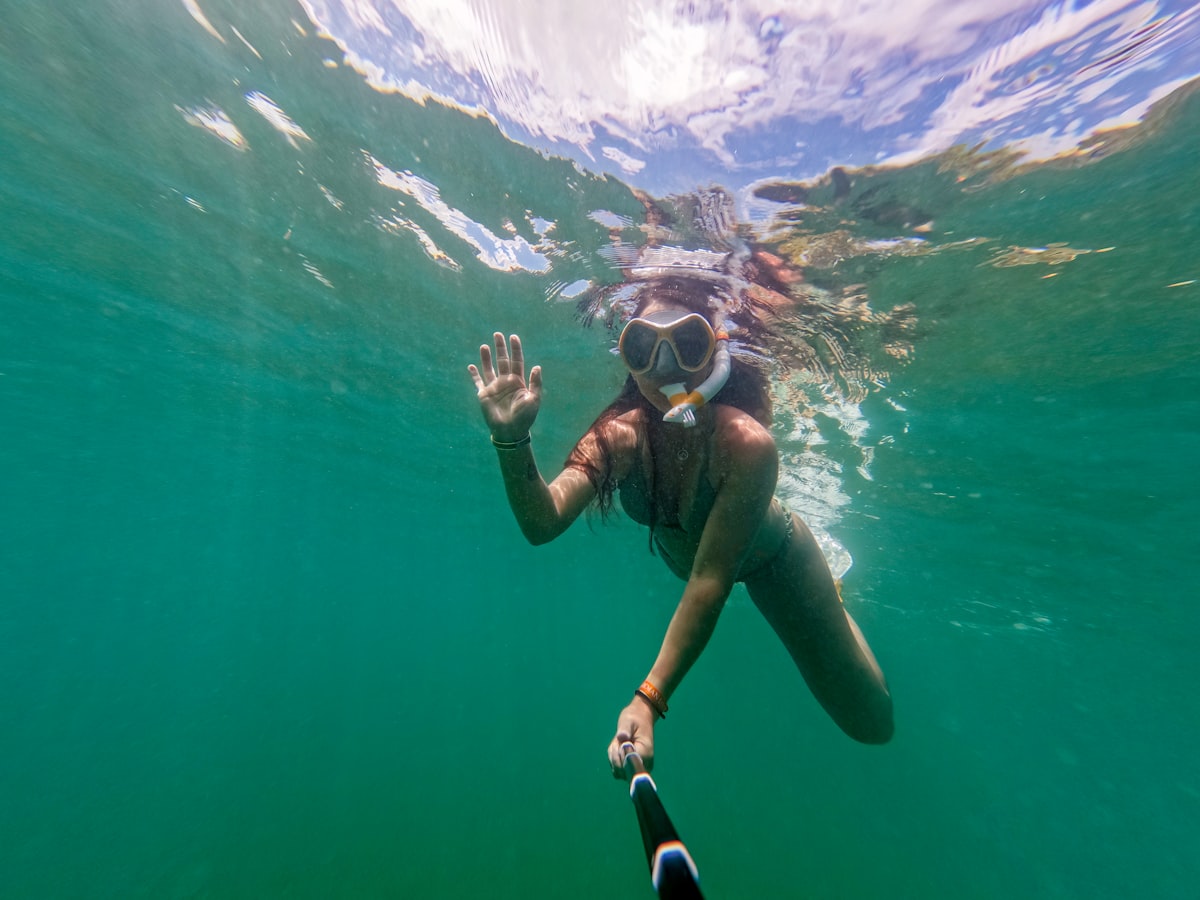
Bonaire Snorkeling Tours: Book Online, No Cash Required
Bonaire has the healthiest coral reef system in the Caribbean. That is not a marketing claim. It is the conclusion of repeated scientific surveys going back to the 1970s. The island has protected its reef since 1979, banned spearfishing, limited anchoring, and invested in enforcement. The result is a reef that looks the way most Caribbean reefs looked forty years ago.
You do not need to be a diver to experience it. Snorkeling in Bonaire is some of the best in the world, and several sites are accessible directly from shore without a boat.
Why Bonaire Leads the Region
Most Caribbean islands have reef damage from bleaching, coastal development, storm runoff, and overfishing. Bonaire has those pressures too, but its marine park management has kept the damage limited. Visibility runs 80 to 100 feet on calm days. Coral coverage on the best sites runs 40 to 60 percent, compared to Caribbean averages that have dropped below 15 percent in many locations.
The Best Snorkel Sites on Bonaire
Klein Bonaire
Klein Bonaire is a small uninhabited island about a half mile offshore from Kralendijk. The water around it is protected, shallow in places, and dense with coral and fish. The site called No Name Beach on the western shore is the most popular snorkel spot in Bonaire.
The entry is easy. The water is calm. The reef starts in about five feet of water and drops off gradually. You will see parrotfish, queen angelfish, trunk fish, and large schools of blue tang. Hawksbill turtles rest on the coral heads and come up for air right next to snorkelers.
Access is by boat only. Most half-day snorkel tours include Klein Bonaire as their primary stop.
1000 Steps
The name refers to the limestone staircase cut into the cliff above the entry point. The actual steps number around 67. Getting in is easy. Getting back out after a full snorkel session is where the name starts to make sense.
The reef here is a wall dive site that starts in about 10 feet of water and drops to over 100 feet. Snorkelers see the top of the wall clearly. The coral variety is high, with elkhorn, star, and brain corals forming a dense structure that supports an enormous range of fish. This is a shore-access site, meaning no boat is required.
Note: there is no shade at the entry point. Go early or bring sun protection.
Lac Bay
Lac Bay is on the eastern side of the island, protected from the trade winds by the surrounding mangroves. The water inside the bay is calm, clear, and shallow in most places. The seagrass beds here are a feeding ground for juvenile fish, sea horses, and rays.
This is the best site for beginners and families. The water is rarely above chest height in the main snorkel areas, and visibility is good.
Shore Snorkeling vs. Guided Tours
Bonaire is unique in that many of its best snorkel sites are accessible directly from shore. You can rent gear in Kralendijk, buy a Nature Fee tag for $45 (required for anyone entering the marine park), and walk into the water at 60-plus marked sites.
The advantage of a guided tour:
- Boat access to Klein Bonaire, which you cannot reach on your own without a water taxi
- Guides who know where the turtles are sitting
- Equipment included and inspected before use
- Structured return times for cruise passengers
The advantage of independent snorkeling:
- Go at your own pace
- Hit multiple sites in a single day
- Lower cost if you already have gear
For first-time visitors, a half-day guided tour to Klein Bonaire followed by independent snorkeling at 1000 Steps or Lac Bay is a solid itinerary.
The Nature Fee
Every person entering Bonaire's marine park must pay the Nature Fee, $45 USD per year as of 2024. It is enforced. Dive shops and snorkel operators will not let you in the water without the tag. Factor this into your total cost when comparing tour prices. Some operators include it. Many do not.
No Cash, No Stress
Bonaire is a small island and a cash economy for most small operators. That creates friction: arriving on a cruise ship with no local currency, negotiating tour prices at the dock, not knowing if you are getting a fair rate.
Online booking through a fixed-price platform removes all of that. You pay before you arrive. The operator knows you are coming.
Book Your Bonaire Snorkel Tour
Faer lists Bonaire snorkeling tours with confirmed pricing, stated meeting points, and equipment details upfront.
Browse Bonaire snorkeling tours on Faer. Klein Bonaire in the morning with a turtle is a reasonable expectation, not a lucky bonus, when you book with an operator who knows the site. Certified diver? See Bonaire cave diving for the deeper sites.