Klein Curaçao
Klein Curaçao is an uninhabited island off the coast: white sand, wild turtles, a pink lighthouse, and shipwrecks. Reached only by boat, and worth it.
Boat Trips and Beaches in Curaçao
boat trips
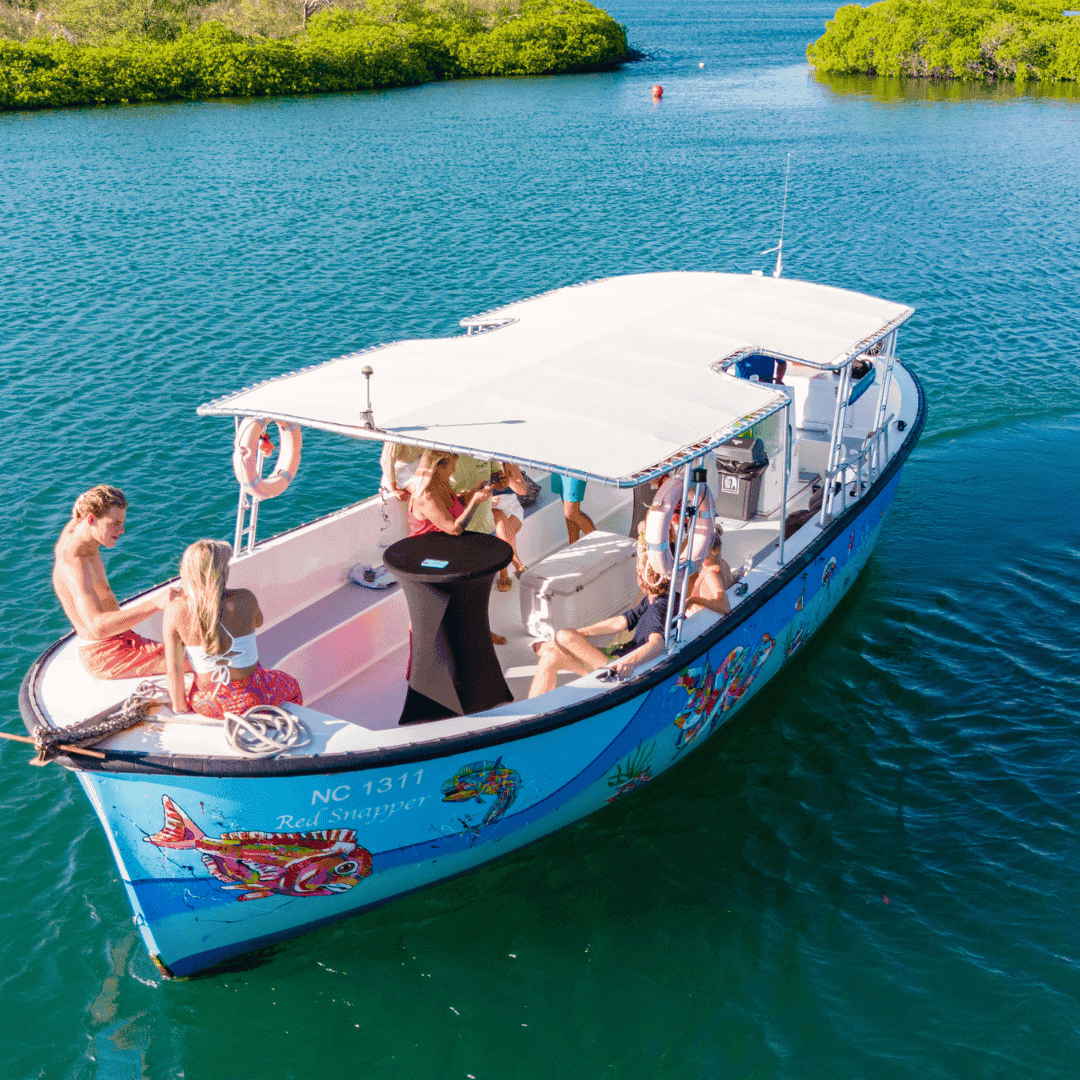
Spanish Water Sightseeing Boat Tour Curaçao
Two hours on the calmest water in Curaçao. Open bar, a snack on board, music, and the stories behind the shoreline villas, including the house of the Dutch Royal family.
$35 per person
boat trips
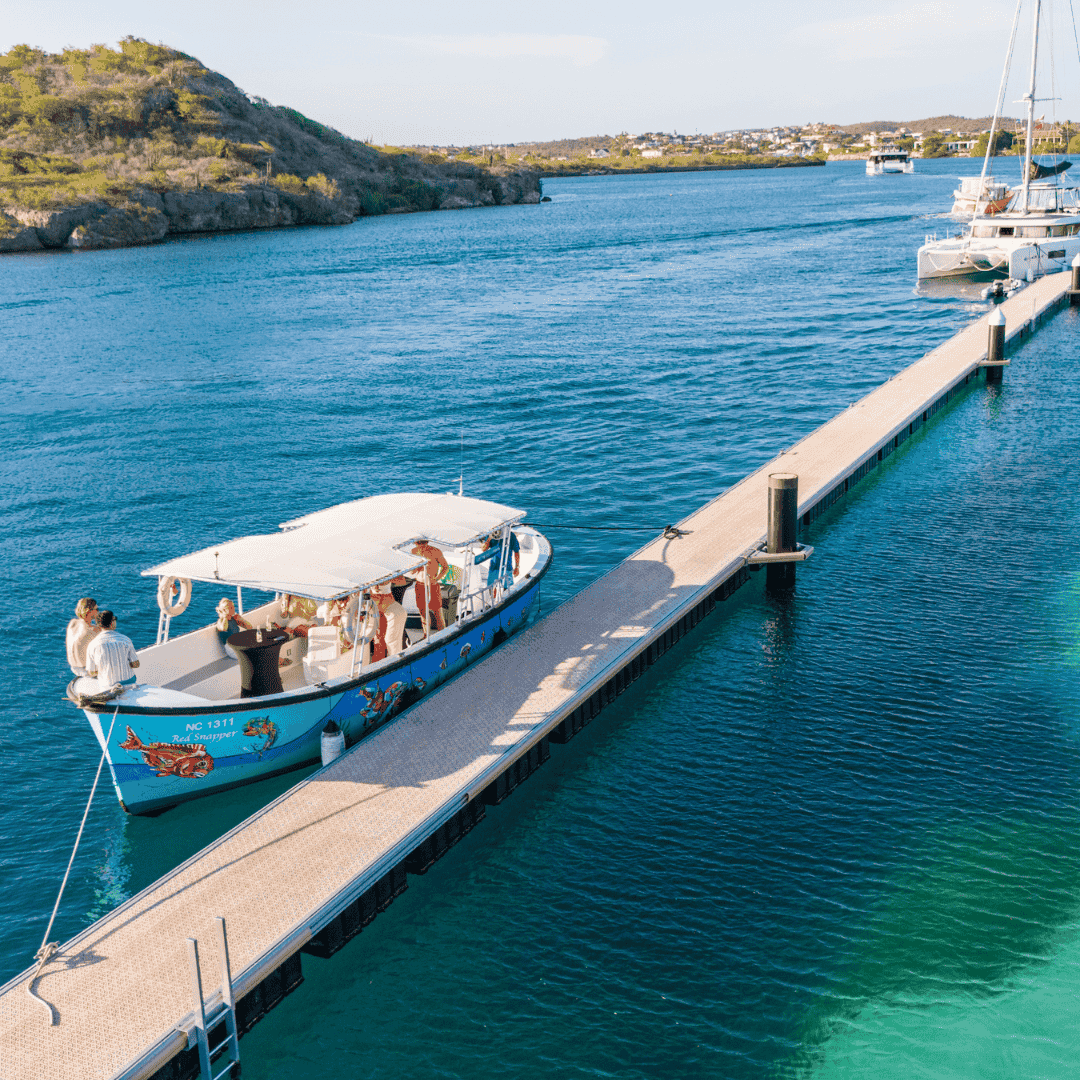
Private Boat Charter Curaçao – Spanish Water
The whole boat, yours for three hours. Birthdays, baby showers, or a slow day on the water. Captain Herbert routes it around what you want: hidden coves, snorkeling stops, calm anchorages.
from $300 for up to 10 guests
beach
Hidden Beaches and Sea Caves Tour Curacao
Off-road to the west side: secluded beaches, swimming inside sea caves along dramatic cliffs, and snorkelling in clear water with no one else in it.
$350 per group
Run trips to Klein Curaçao? Get listed
Klein Curaçao is an island with nothing on it, and that is the whole point. Ten kilometres off the south-east coast, an hour and a half by boat across open water, it sits flat and treeless with the whitest sand in these waters and a reef so clear you can count the turtles from the deck before you anchor. Little Curaçao, the name means, and it has no shops, no roads, no shade but what the boats bring, no one living on it at all. What it has instead is a faded pink lighthouse from 1879, a cargo ship rusting into the northwest shore, green turtles that come to the beach, and water the colour of a swimming pool. Most people who make the crossing call it the best day of their trip. The crossing is the catch, and it is worth knowing about before you book.
Is Klein Curaçao worth it?
Yes, for most people, and the reviews are close to unanimous on it: the island is regularly called the most beautiful beach they have ever stood on. The sand is powder white, the water is clear to the bottom, turtles turn up on the beach and in the shallows, and the pink lighthouse and the wrecked cargo ship give you somewhere to walk once you have swum. It costs you a full day and an open-ocean crossing that can be rough, and there is nothing on the island but what your boat carries out, so it asks something of you in return. For nearly everyone who goes, the island pays it back. The people who regret it are almost always the ones the crossing caught out, which the next section is about.
The only way there is a boat trip; there is no independent route and nowhere to stay.
The crossing, and getting seasick
This is the part to take seriously. The route to Klein Curaçao is open ocean with no shelter, and between roughly January and April the trade winds push real swell across it. The crossing runs about an hour and a half to two hours by catamaran, and on a windy morning a good share of the boat ends up at the rail. The reviews do not hide it, and neither will we: seasickness here is common, and it is the one thing that turns a dream day into a long one.
The fixes are simple and they work. Take motion-sickness tablets before you board, not once you feel it. Sit low and central, near the waterline, and keep your eyes on the horizon. Eat something light beforehand. The way home is usually calmer than the way out. And if you know your stomach, the powerboat cuts the crossing to around forty-five minutes and skips most of the problem, which is exactly why it exists.
What's on the island
Nobody has built anything here, so what you get is sand and whatever the sea has left behind. The western side is the sheltered one and it is where every boat drops you: powder underfoot, water so clear the shadow of your own boat sits on the bottom, and turtles cruising through it close enough that first-timers come up shouting. Thirty metres of visibility is a normal day.
Walk east and you reach the lighthouse, pink, built in 1879, standing over a scatter of collapsed phosphate works that look like a camp somebody abandoned in a hurry. Walk the other way and there is a cargo ship on the northwest shore, run aground and rusting down into the sand with the surf still working at it. Both walks are further than they look and the ground the whole way is dead coral, which is loud underfoot and unkind to flip-flops, so wear something with a sole. Once you are out there the island goes quiet in a way that is hard to find, no engines, no signal, nothing but wind and water, and most people count losing their phone for six hours as part of what they came for.
Klein Curaçao: what to bring
The island has nothing on it, so the day runs on what you and the boat carry out. The boat handles food, drink, and gear; you handle sun and feet, because the two things that catch people out are the open UV with no natural shade and the long coral walk to the lighthouse.
Klein Curaçao — FAQ
Is Klein Curaçao worth visiting?
For most visitors it is the highlight of the whole trip: an uninhabited island with the whitest sand in the region, wild turtles, clear turquoise water, an 1879 pink lighthouse, and a shipwreck to walk to. It costs a full day and a crossing that can be rough, and nearly everyone who goes says the island repays both.
How do you get to Klein Curaçao?
Only by boat, on a day trip from Curaçao's south-east bays. The catamaran crossing takes about an hour and a half to two hours each way; a powerboat does it in around forty-five minutes. There is no other way there and nowhere to stay, so it is a day trip or nothing.
Is the boat ride to Klein Curaçao rough?
It can be. The crossing is open ocean with no shelter, and from roughly January to April the trade winds bring real swell. Seasickness is common on windy days, so take motion-sickness tablets before boarding, sit low and central, and watch the horizon. The powerboat cuts the crossing to under an hour if your stomach needs it.
Can you stay overnight on Klein Curaçao?
No. The island is uninhabited and protected, with no hotels, shops, water, or power. It is a nesting reserve for turtles and seabirds, which is why it stays as untouched as it is.
Can you see turtles on Klein Curaçao?
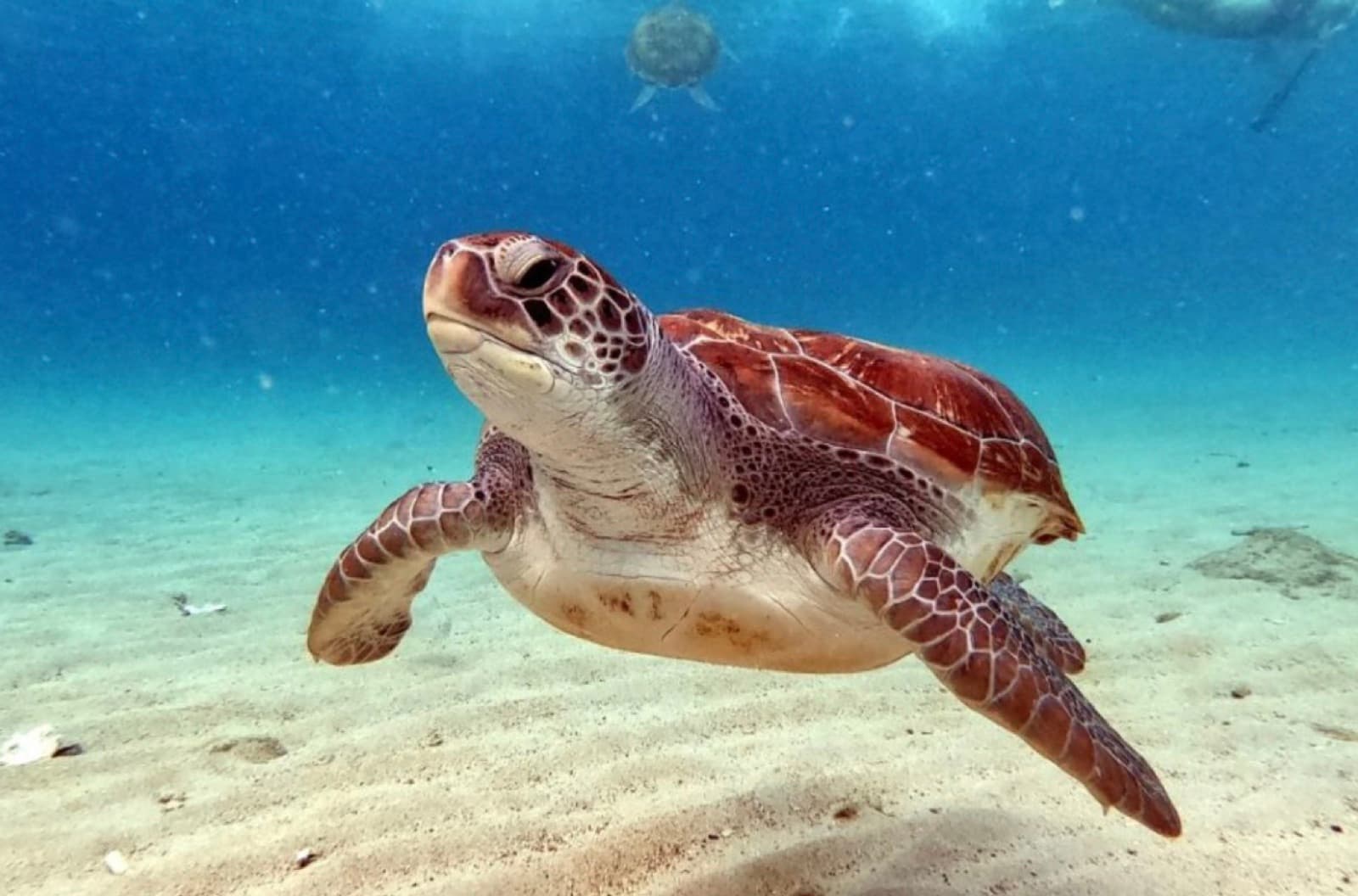
Yes. Green turtles are regular both on the beach and in the water, and the calm western side is one of the easier places on any Curaçao trip to snorkel with them. Keep your distance, and never touch or feed them.
What is on Klein Curaçao?
A white-sand beach, clear reef water, a pink 1879 lighthouse with ruined phosphate works beside it, and a beached cargo ship on the northwest shore. Nothing is built there: no shops, no restaurants, no shade but what the boats bring.
How long is the walk to the lighthouse?
A fair distance, far enough that people underestimate it, and the ground the whole way is dead coral. Wear real shoes rather than flip-flops; the coral is hard on bare feet.
What is included on a Klein Curaçao day trip?
Typically breakfast, a BBQ lunch, an open bar, snorkel gear, and a marine toilet on the boat. Better operators add a shaded shelter, showers, and a bathroom on the island itself, which matters on a place with no natural shade.
When is the best time to go to Klein Curaçao?
Year-round, but the calmest crossings run from about September into early December, the smoothest seas of the year. The windier months from January to April make for a livelier, rougher sail. The island itself is good any month it can be reached.
Explore Curaçao
Tours in Curaçao
Run tours to Klein Curaçao?
List your Curaçao experience on Faer and reach travellers planning their trip before they land.