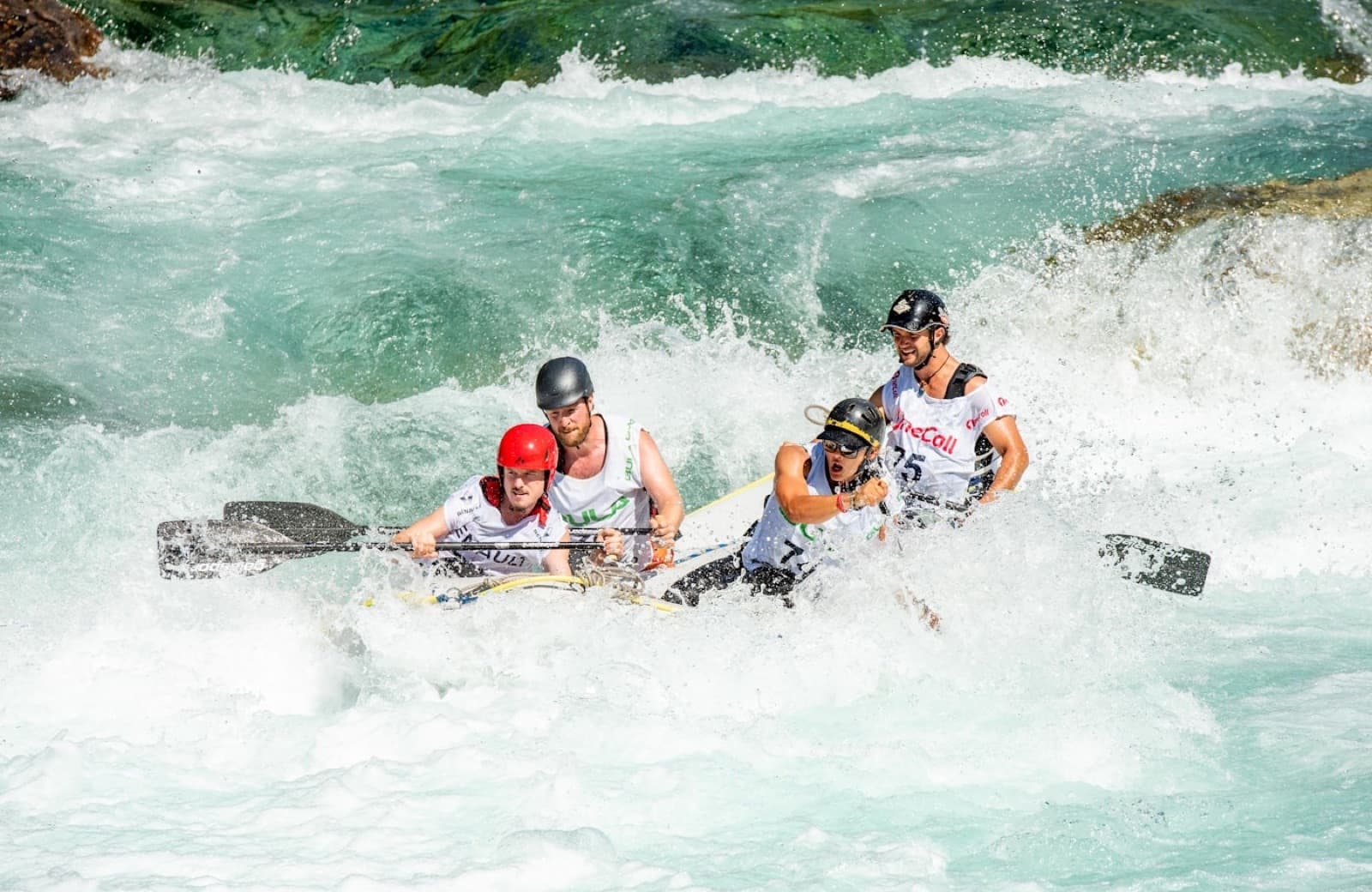
CuraçaoAdventure Tours in Curaçao
Curaçao's adventure runs on dust and saltwater.
Buggies across the red plains, jet skis down the south coast, kitesurfers stacked over Sint Joris Bay, and a limestone ledge at Playa Forti that people queue to jump off. Pick your element.
Adventure operators here run guided convoys, powered water tours, and coastal routes that need the right vehicle to reach. Gear, briefing and route come with it, along with someone who knows which day the conditions are worth having.
Meeting point
SortFeatured
Filters
7 tours
Adventure
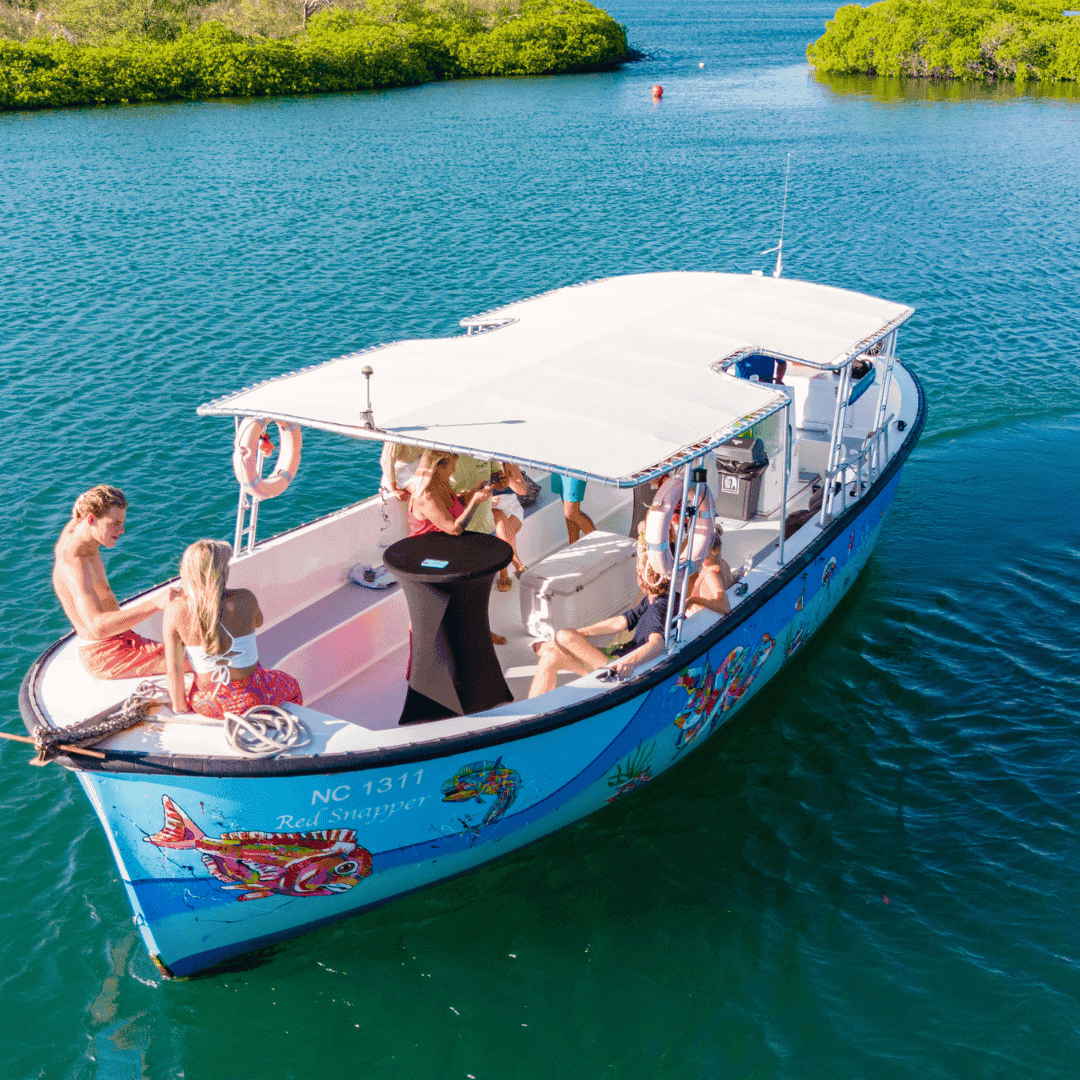
Spanish Water Sightseeing Boat Tour Curaçao
Two hours on the calmest water in Curaçao. Open bar, a snack on board, music, and the stories behind the shoreline villas, including the house of the Dutch Royal family.
$35 per person
Adventure
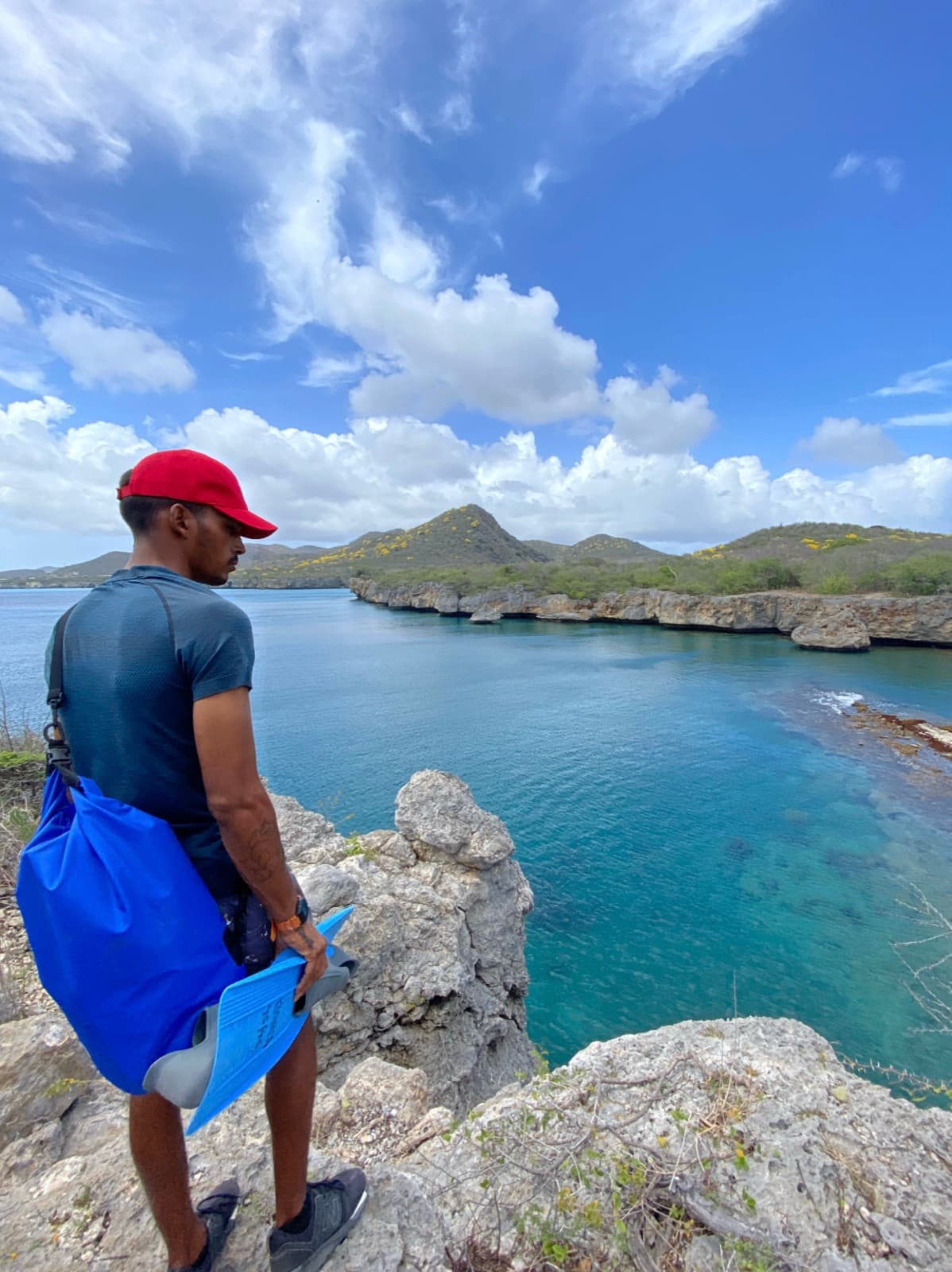
Blue Room Jeep and Boat Tour Curacao
The right way into the Blue Room. Off-road along the rugged west coast, then a boat straight into the cave, and you swim and snorkel inside it.
$425 per group
Adventure
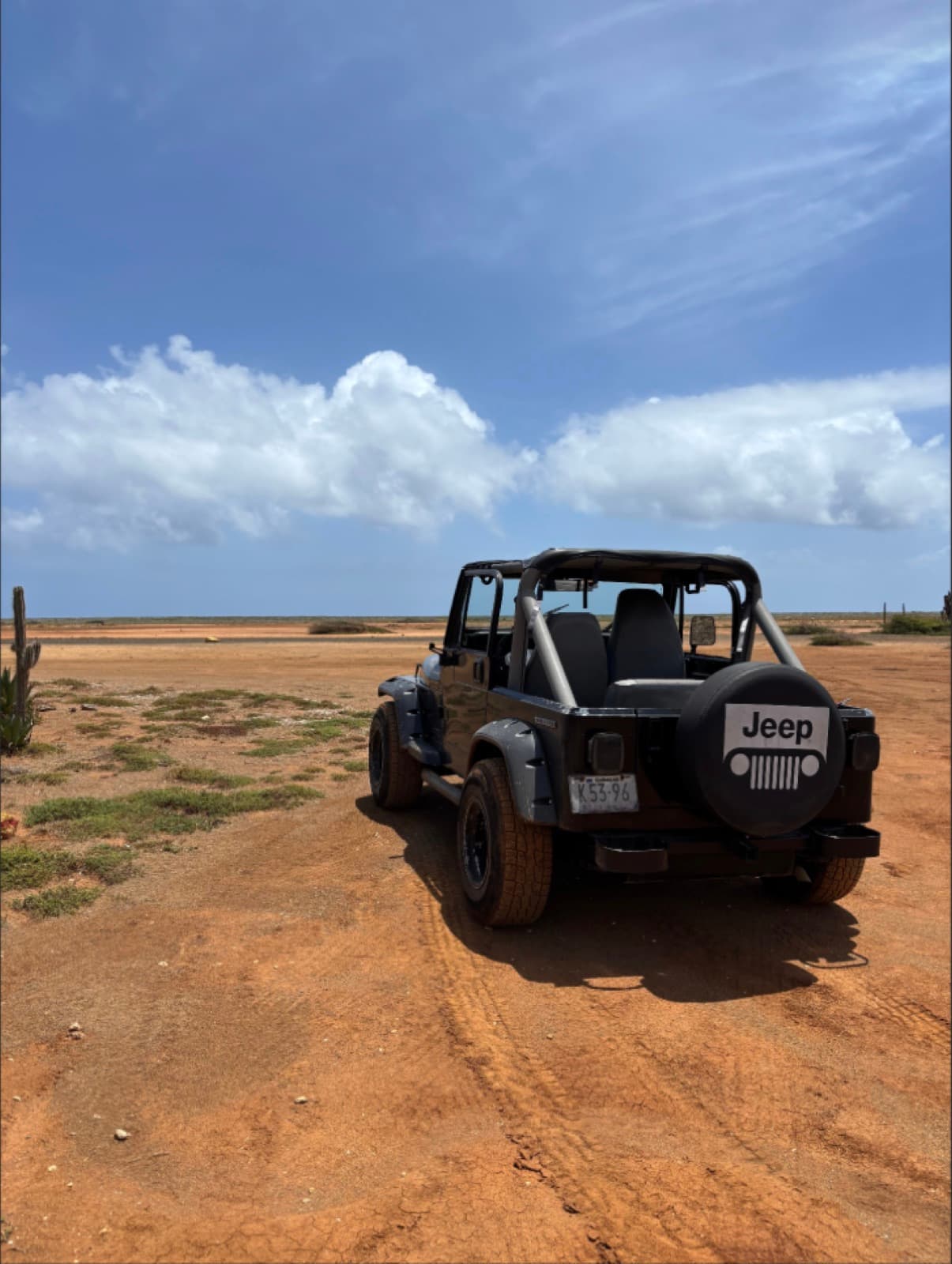
Drink and Think Off-Road Jeep Tour Curacao
A little history, a little off-roading, and a healthy amount of island liquor. Netto Bar, Landhuis Chobolobo, Fort Beekenburg, and a roadside coconut cocktail. Adults only.
$425 per group
Adventure
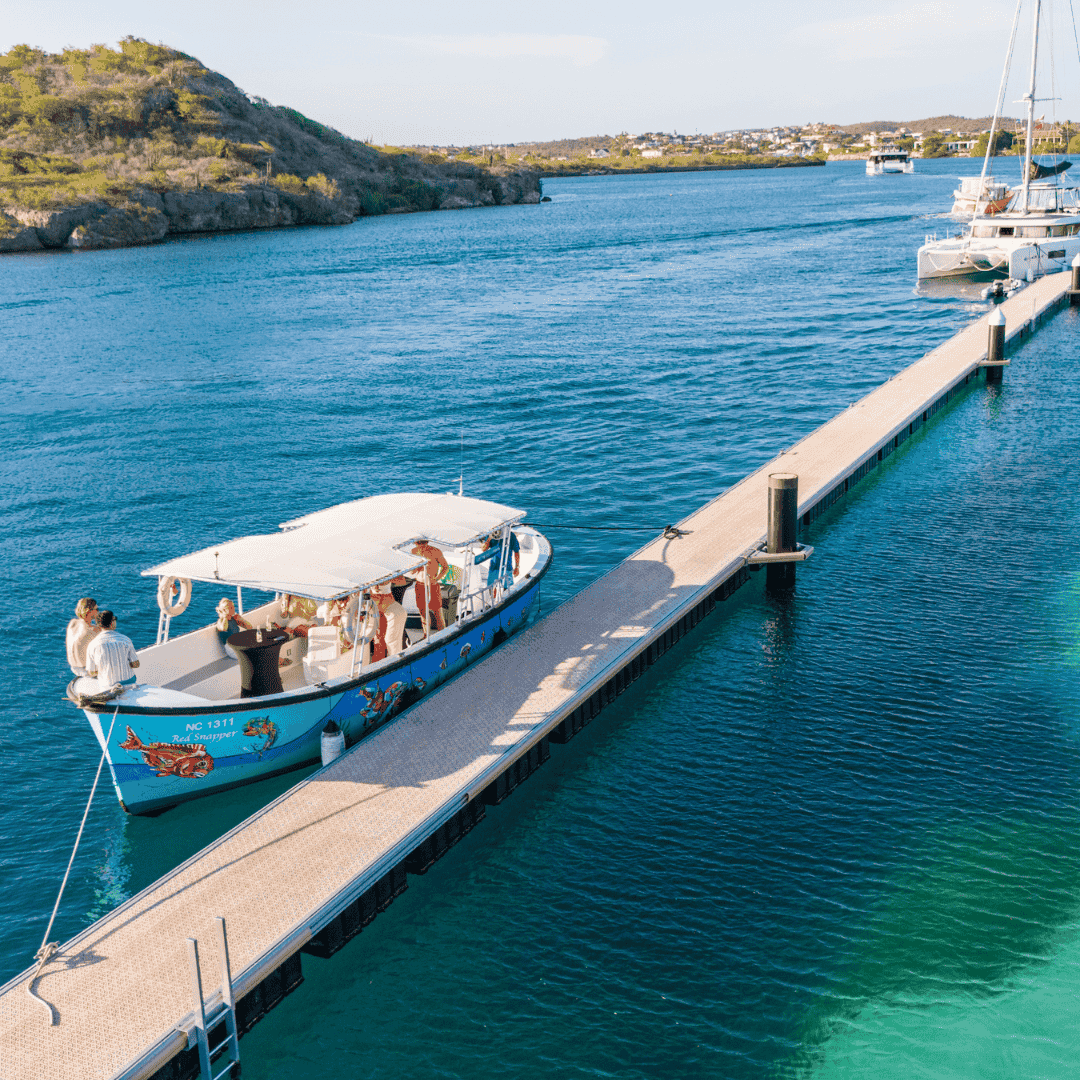
Private Boat Charter Curaçao – Spanish Water
The whole boat, yours for three hours. Birthdays, baby showers, or a slow day on the water. Captain Herbert routes it around what you want: hidden coves, snorkeling stops, calm anchorages.
from $300 for up to 10 guests
Adventure
Custom Private Off-Road Jeep Tour Curacao
Curaçao's hidden west side, routed to you: a cave swim, one of the island's largest caves, and a secret natural pool. Minimal pavement, no buses.
$399 per group
Adventure
Half Day Off-Road Jeep Tour Curacao
Straight off the pavement into Banda Abou. Swim inside the Cave of Doom, explore Kueba di Indjan, and cool off in a natural pool that appears on no other tour listing.
$350 per group
Adventure
Full Day Off-Road Jeep Tour Curacao
Everything in the half day, then further up the wild coast: a blowhole stronger and emptier than Shete Boka, and the tide pools at Boka Patrik you can actually swim in.
$500 per group
Run adventure tours in Curaçao? Get listed
Can't find what you're looking for? All experiences in Curaçao
Adventure here is not packaged into one park with a ticket booth. It is spread across an island built for it, and the wind is what makes it work. The trade winds blow almost every day, which is why the windward east coast is one of the more reliable kitesurfing spots in the Caribbean, why the north-coast blowholes fire hardest when the forecast looks worst, and why the leeward side stays calm enough to swim on the same afternoon. Inland there are red-sand plains no paved road crosses. On the coast there are cliffs that drop straight into deep water. Most of what follows needs a guide, a vehicle, or both, and almost none of it is reachable in a standard rental car.
Off-road: red plains and the wild coast
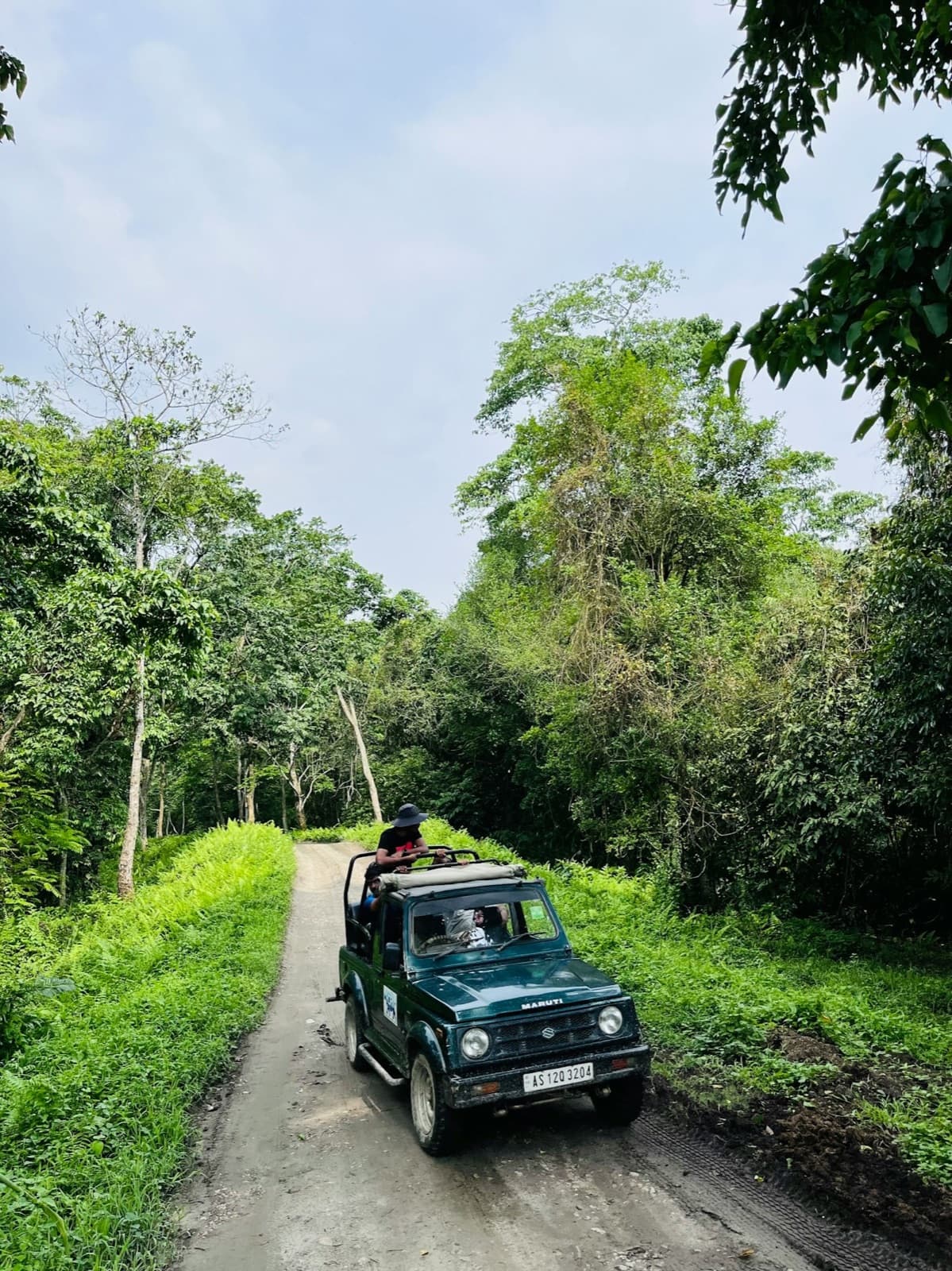
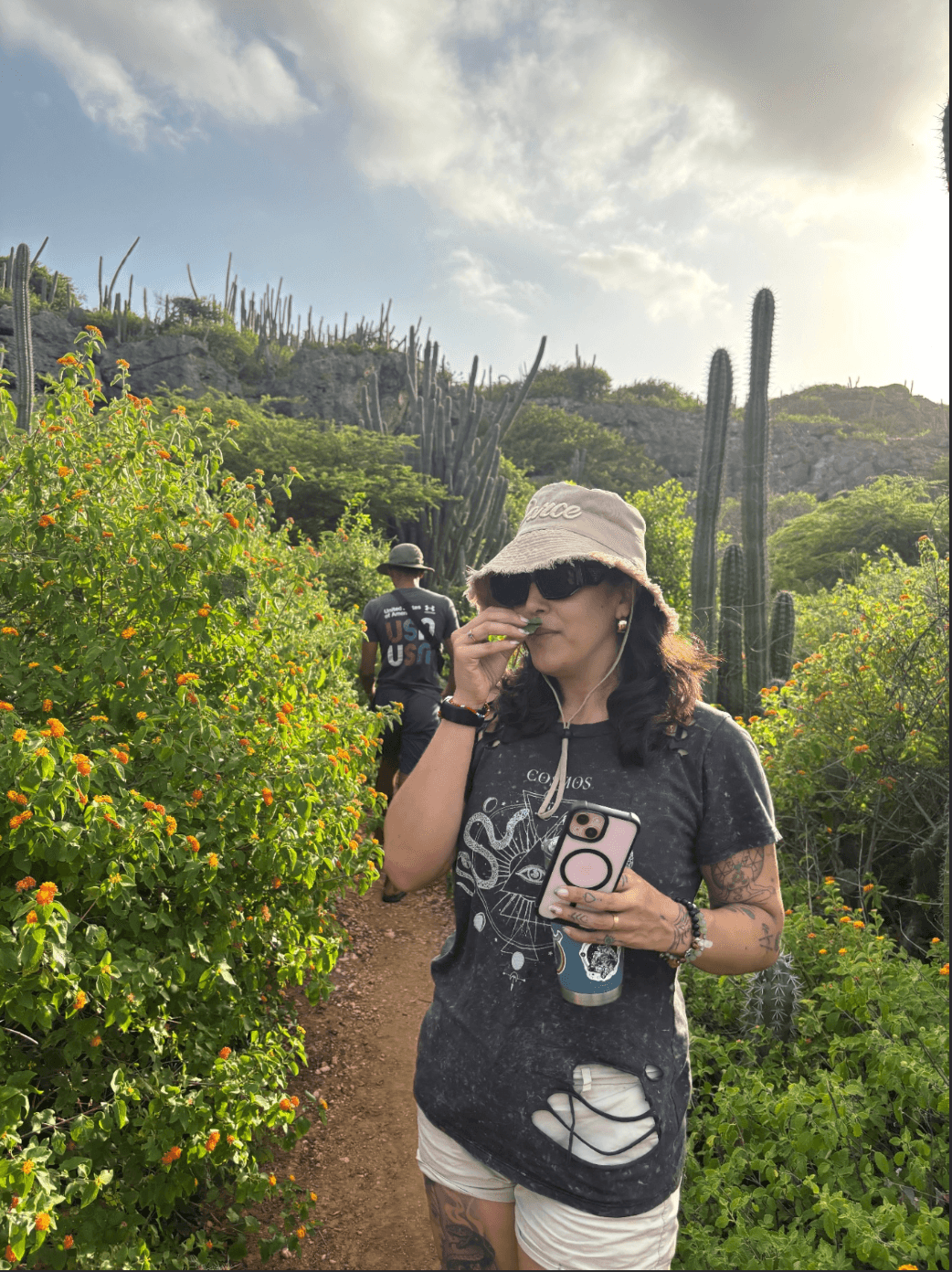
The best of the island's interior has no paved road to it, which is the entire appeal. Off-road tours run in guided convoys and you drive your own machine, either a quad or a side-by-side buggy, out across the Vlakte di San Pedro red-sand plains in the west or the cactus flats of Sint Joris in the east. The east run ends at the Cave of Doom, a sea-carved arch on the north coast with a blowhole beside it that fires on a big swell, then drops down to Playa Kanoa for a swim. The west run is longer, dustier, and built around the driving itself. Jeep safaris are the version where a guide takes the wheel, which is the option if nobody in the group holds a licence or wants the responsibility.
On the water at speed
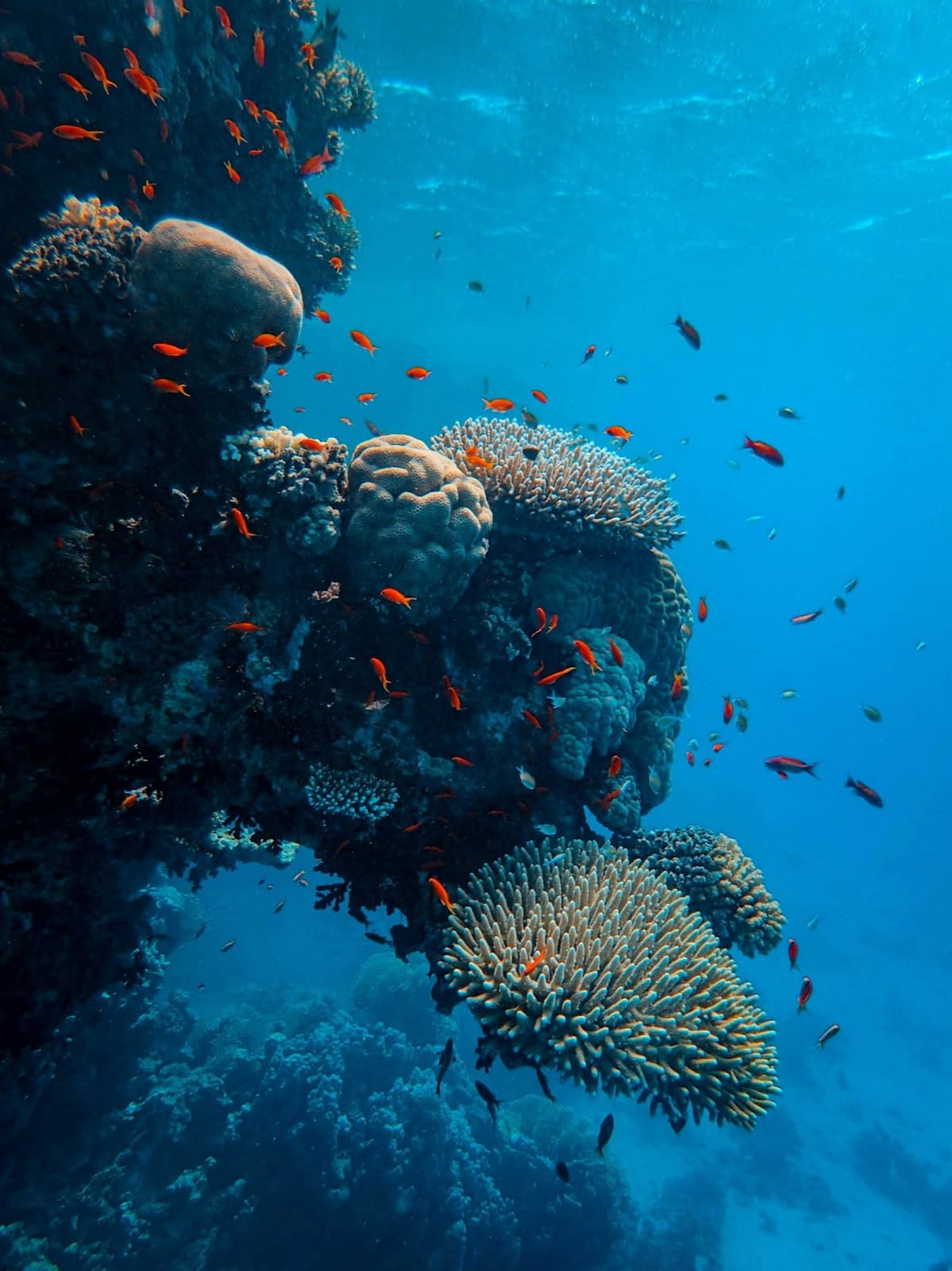
The south coast is where the powered water tours run, out from the bays around Spanish Water and Caracas Bay, past the coves and the fort and down to the Tugboat wreck. Jet ski tours cover it in an hour or two with a snorkel stop for anyone who wants to get in. Parasailing and seawalking work off the Mambo Beach strip, and the clear-hulled kayaks that fill everyone's camera roll launch from the same stretch.
The wind side is different entirely. Sint Joris Bay on the east coast is the kitesurfing spot, shallow, steady, and blown almost every day by the same trades that make the north coast unswimmable. Schools there teach beginners in water that stays waist-deep a long way out.
Cliff jumping and the drops that count
Playa Forti is the one people mean. A restaurant sits on the clifftop at the north-west end of the island with a drop of roughly twelve metres into deep water below it, and on a busy afternoon there is a loose queue of people talking themselves into it. The water underneath is deep and clear, the walk back up is a set of steps and a bit of dignity.
Grote Knip has the friendlier version at the right-hand end of the bay, a limestone ledge about fifteen feet up with a scramble back to the top, shallow enough that you can touch the bottom on entry. Teenagers make it look routine. Adults take longer.
The climb, the caves, and going under
Sint Christoffelberg is 372 metres and the last stretch is a genuine hands-and-feet scramble on loose rock. Two hours return, no equipment needed, and the park stops letting anyone start after ten in the morning because there is no shade on it. From the top you get both coasts and, on a clear day, the Venezuelan mainland sitting low on the horizon.
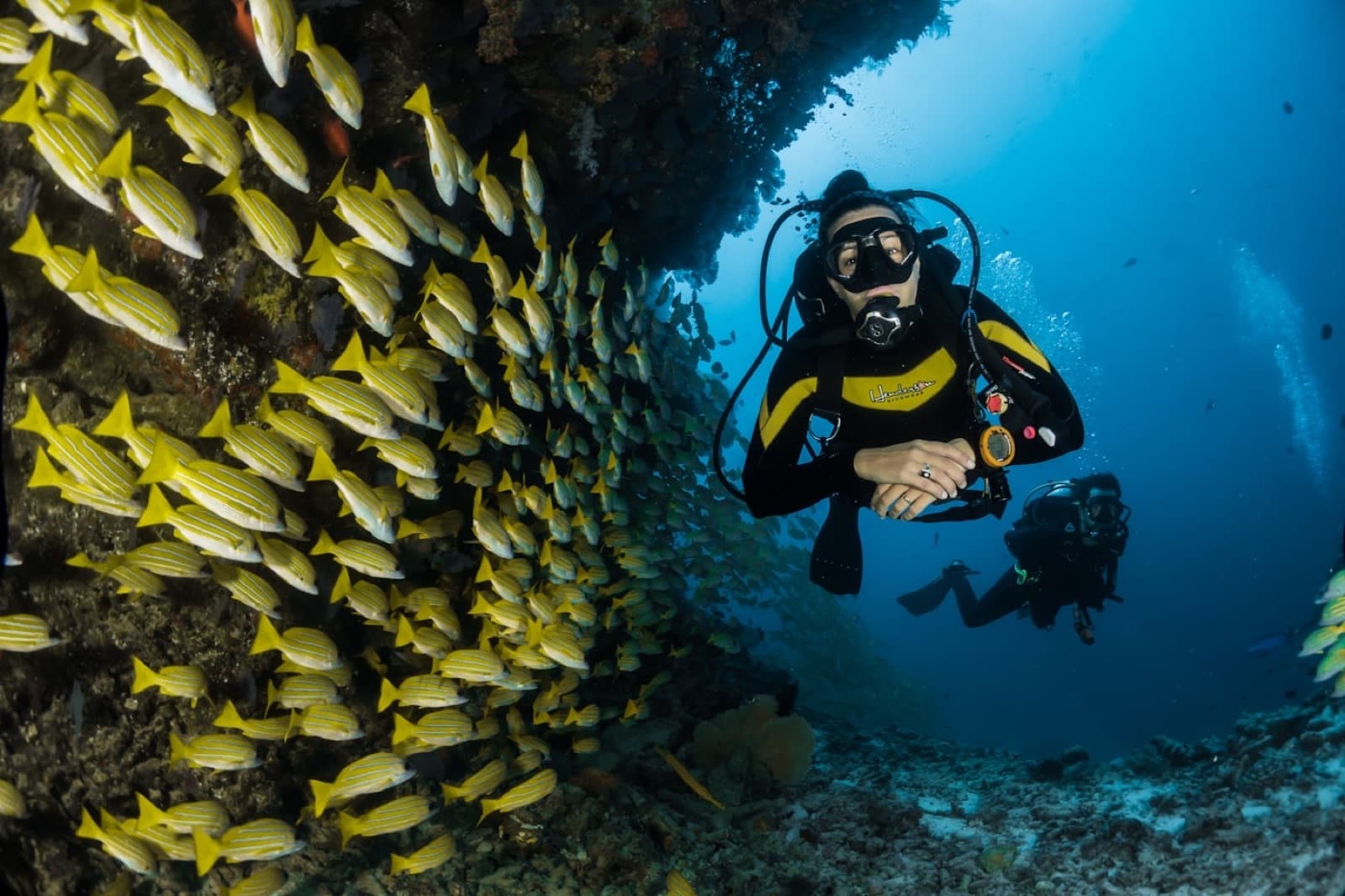
Underground, the Hato Caves run guided tours through limestone chambers and a bat colony, and the Indian Cave out east sits at the end of an off-road route with no road to it. The strangest option on the island goes the other way: a submersible that takes four passengers to depths no diver reaches, with no pressure change and no certification required.
Wind, season and picking your day
Nothing here has an off-season. Curaçao sits below the hurricane belt and the tours run every month. What changes is the wind, and it changes what is worth doing rather than whether anything is.
Hard trades from January through April make the kitesurfing best, the north-coast blowholes loudest, and the Klein Curaçao crossing roughest. September into early December is the calm window, which flips it: smoother water, better snorkelling and photography, quieter blowholes. October to December brings the rain, so the off-road tracks turn muddy, which most riders count as an improvement.
| Month | Wind | Best for |
|---|---|---|
| Jan–Apr | Strong trades | Kitesurfing, blowholes, dry off-road |
| May–Aug | Moderate | All-round; value season |
| Sep–early Dec | Calmest | Water tours, snorkelling, boat crossings |
| Oct–Dec | Wettest | Muddy off-road, green interior |
Good to know
- Vehicles
- Quad, side-by-side buggy, or guided 4x4
- Licence
- Required to drive a quad or buggy, not for jeep safaris
- Buggy pricing
- Per vehicle, not per person
- Wear
- Closed shoes, clothes you can ruin, dust goggles
What you'll see
Booking with Faer
Instant confirmation
Pick your date and party, pay online, done. Your booking is confirmed the moment payment completes and the confirmation lands in your email. No account needed.
Vetted operators
Every operator and every listing is reviewed by Faer before it goes live. The times, group size and inclusions on a listing come from the operator who runs it.
Secure payment
Card payment processed by Stripe: Visa, Mastercard, Apple Pay and Google Pay. Prices are in US dollars.
Cancellation terms
Each listing shows its cancellation terms before you pay. You will find them on the listing page, next to the price.
Adventure Tours in Curaçao — FAQ
What adventure activities can you do in Curaçao?
Off-road buggy and quad tours, jeep safaris, jet ski and kitesurfing, cliff jumping at Playa Forti and Grote Knip, the Christoffel summit climb, cave tours, and a submersible that dives past every recreational limit.
Do you need a licence for an ATV or buggy tour?
Yes, to drive one. A valid driver's licence is required for quads and buggies, and drivers are usually 18 or older. Passengers need nothing, and jeep safaris are driven by a guide.
Where is the cliff jumping in Curaçao?
Playa Forti in the north-west has the big one, roughly twelve metres into deep water below a clifftop restaurant. Grote Knip has a lower ledge of about fifteen feet with an easier climb back up.
Is Curaçao good for kitesurfing?
Very. Sint Joris Bay on the east coast has shallow, steady water and near-daily trade winds, with schools teaching beginners. Wind is strongest and most reliable from January through April.
How hard is the Mount Christoffel climb?
Short and steep. About two hours return on loose rock, with a hands-and-feet scramble near the summit. No equipment or experience needed, but bring two litres of water and real shoes.
What time does the Christoffel climb close?
No climb may start after ten in the morning. The park opens at six and turns walkers away after ten because the rock holds the heat and there is no shade anywhere on the route.
Is there an off-season for adventure tours in Curaçao?
No. The island sits below the hurricane belt and tours run year-round. Wind decides what is best on a given day rather than whether anything runs at all.
Can beginners do these activities?
Most of them. Buggies are automatic and run at a guided pace, kite schools start people in waist-deep water, and the cliff jumps are optional. The Christoffel climb needs reasonable fitness.
What should you wear on an adventure tour?
Closed shoes, clothes you do not mind ruining, and dust goggles or wraparound sunglasses for anything off-road. Wear swimwear underneath, since most routes include a water stop.
Are adventure tours suitable for children?
Many are, with age limits set by the operator. Buggy passengers are usually accepted from about four and quad passengers from eight. Jeep safaris take younger children since a guide drives.
Run adventure tours in Curaçao?
List your adventure tours on Faer and reach travellers planning their trip before they land.