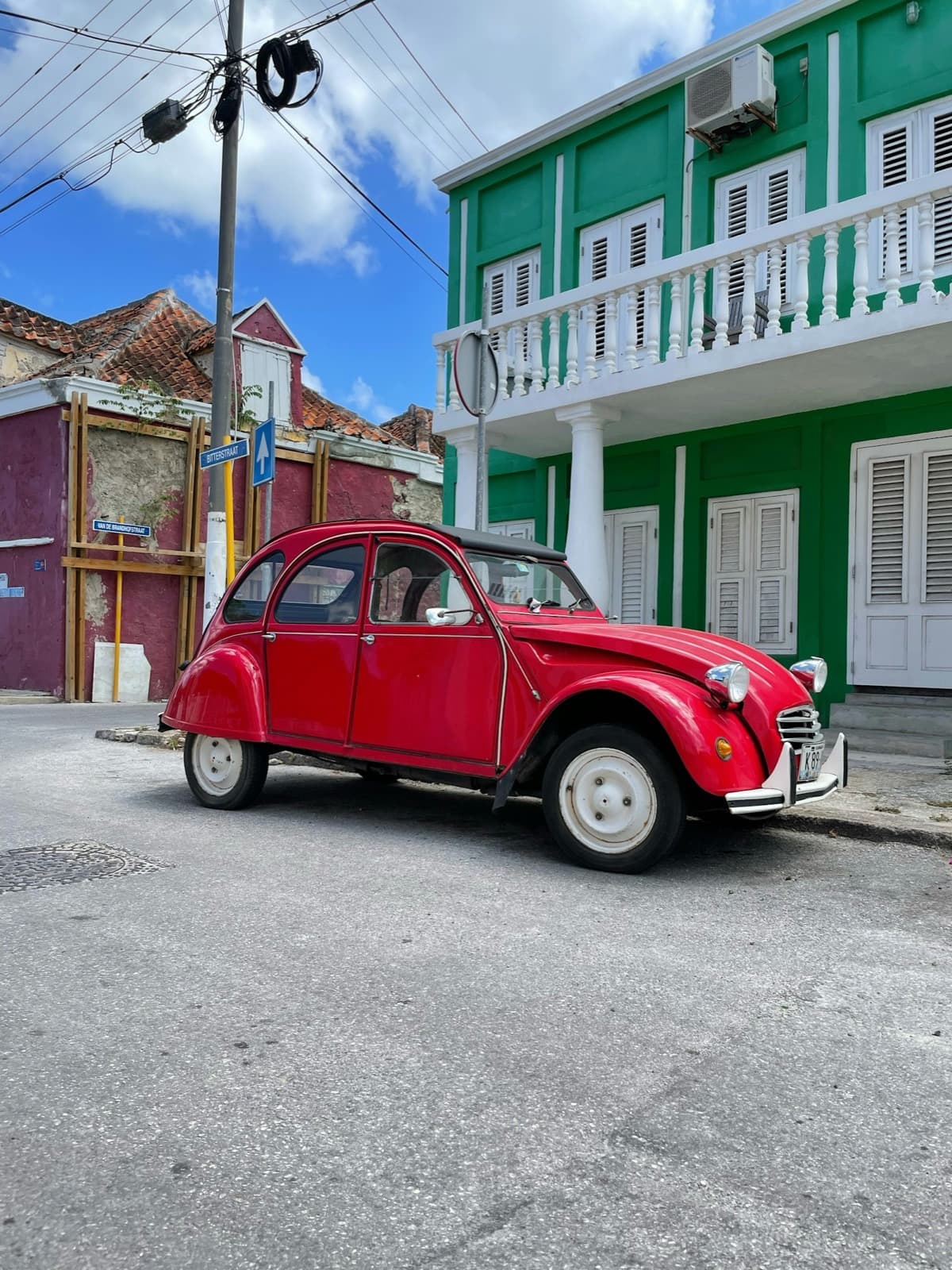
CuraçaoCulture and History Tours in Curaçao
Willemstad is a UNESCO World Heritage city where the bridge floats, the synagogue floor is sand, and the liqueur is made from an orange that grows nowhere else.
Curaçao's history is Dutch, African, Jewish and Venezuelan at once, and it is all still standing.
Cultural tours here run on foot through Willemstad's two historic districts, out to the plantation houses, or around the food that came out of all of it. Most are half-day and guided by people who grew up in the neighbourhoods.
Duration
Meeting point
SortFeatured
Filters
3 tours
Culture
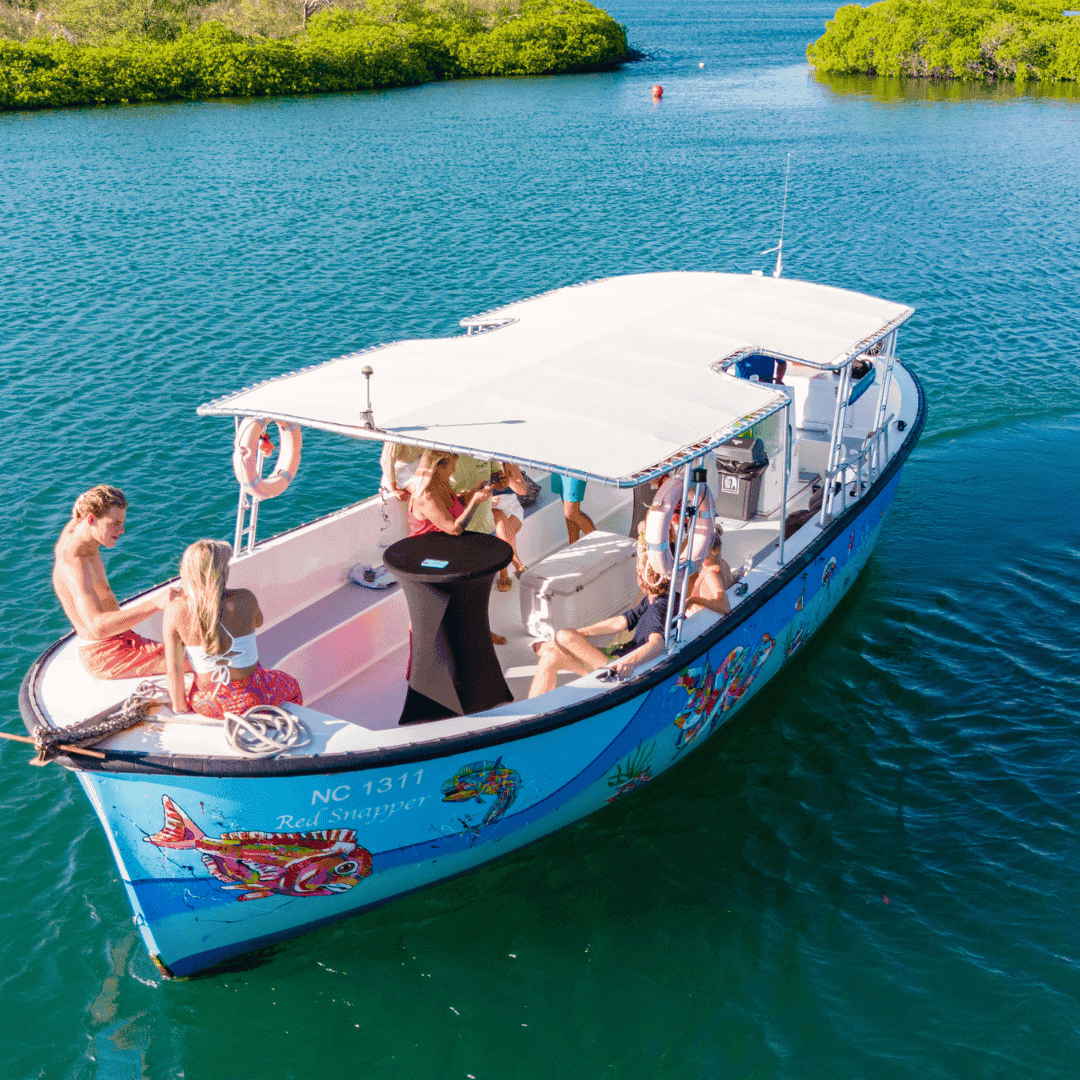
Spanish Water Sightseeing Boat Tour Curaçao
Two hours on the calmest water in Curaçao. Open bar, a snack on board, music, and the stories behind the shoreline villas, including the house of the Dutch Royal family.
$35 per person
Culture
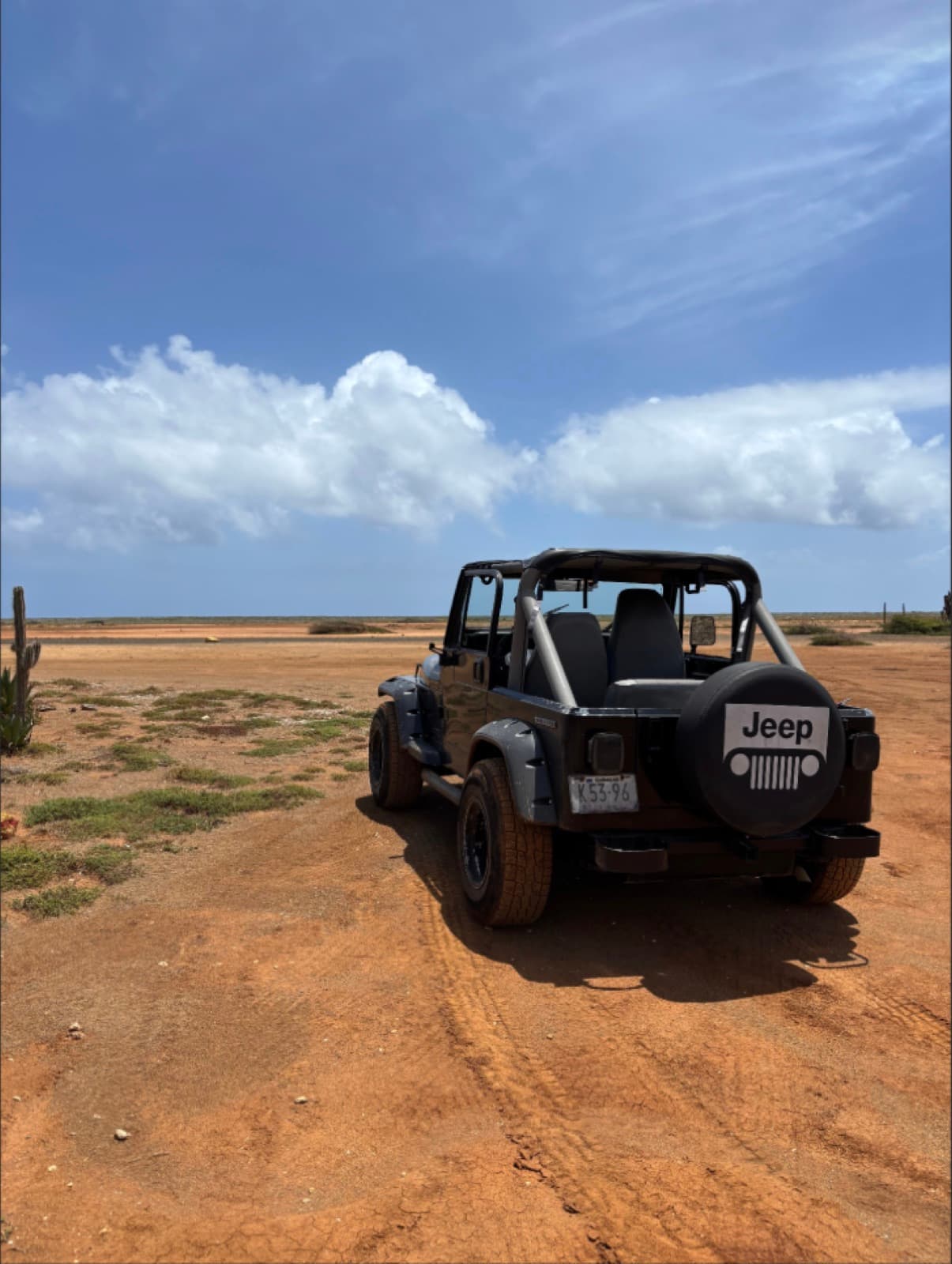
Drink and Think Off-Road Jeep Tour Curacao
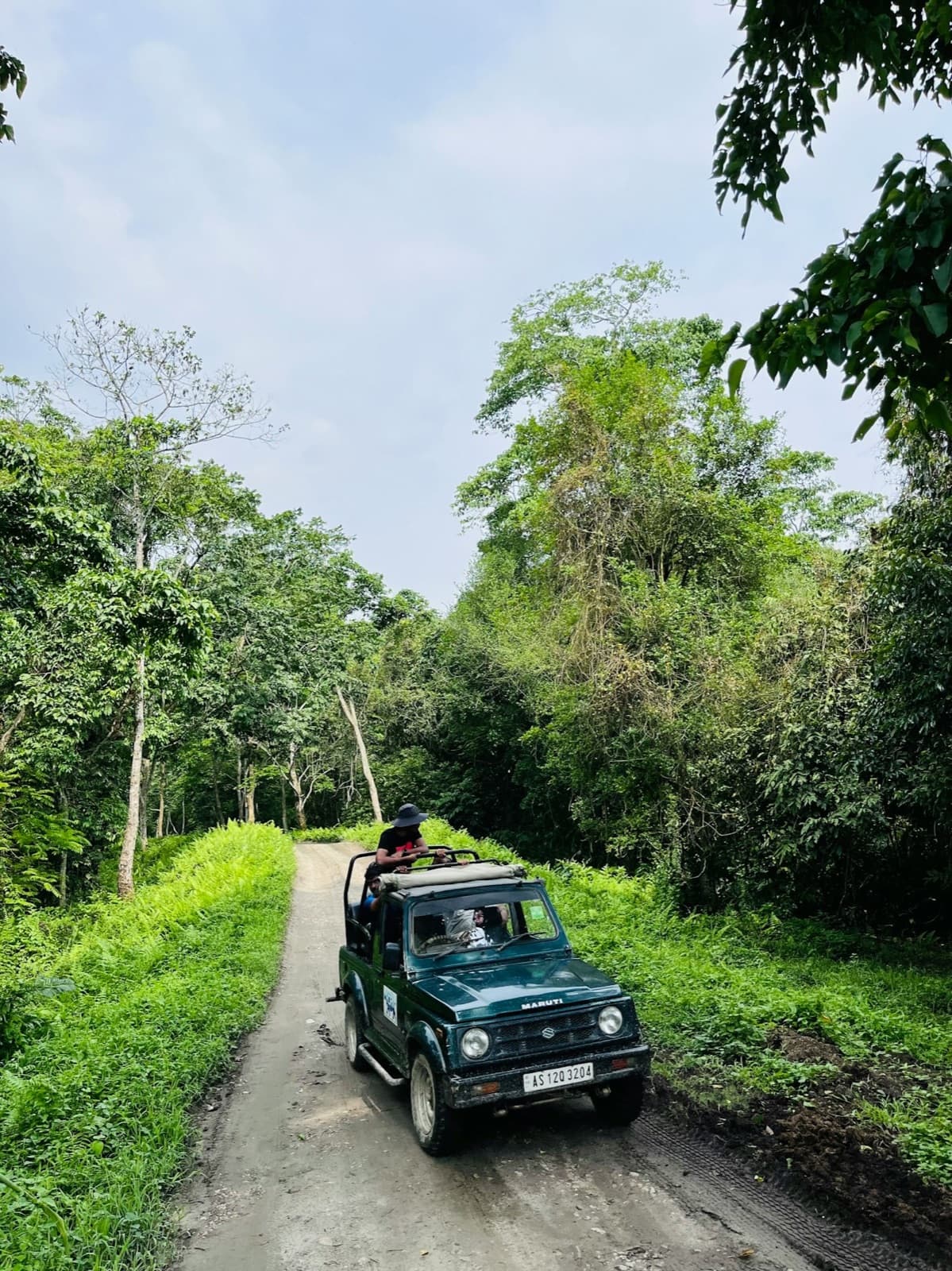
A little history, a little off-roading, and a healthy amount of island liquor. Netto Bar, Landhuis Chobolobo, Fort Beekenburg, and a roadside coconut cocktail. Adults only.
$425 per group
Culture
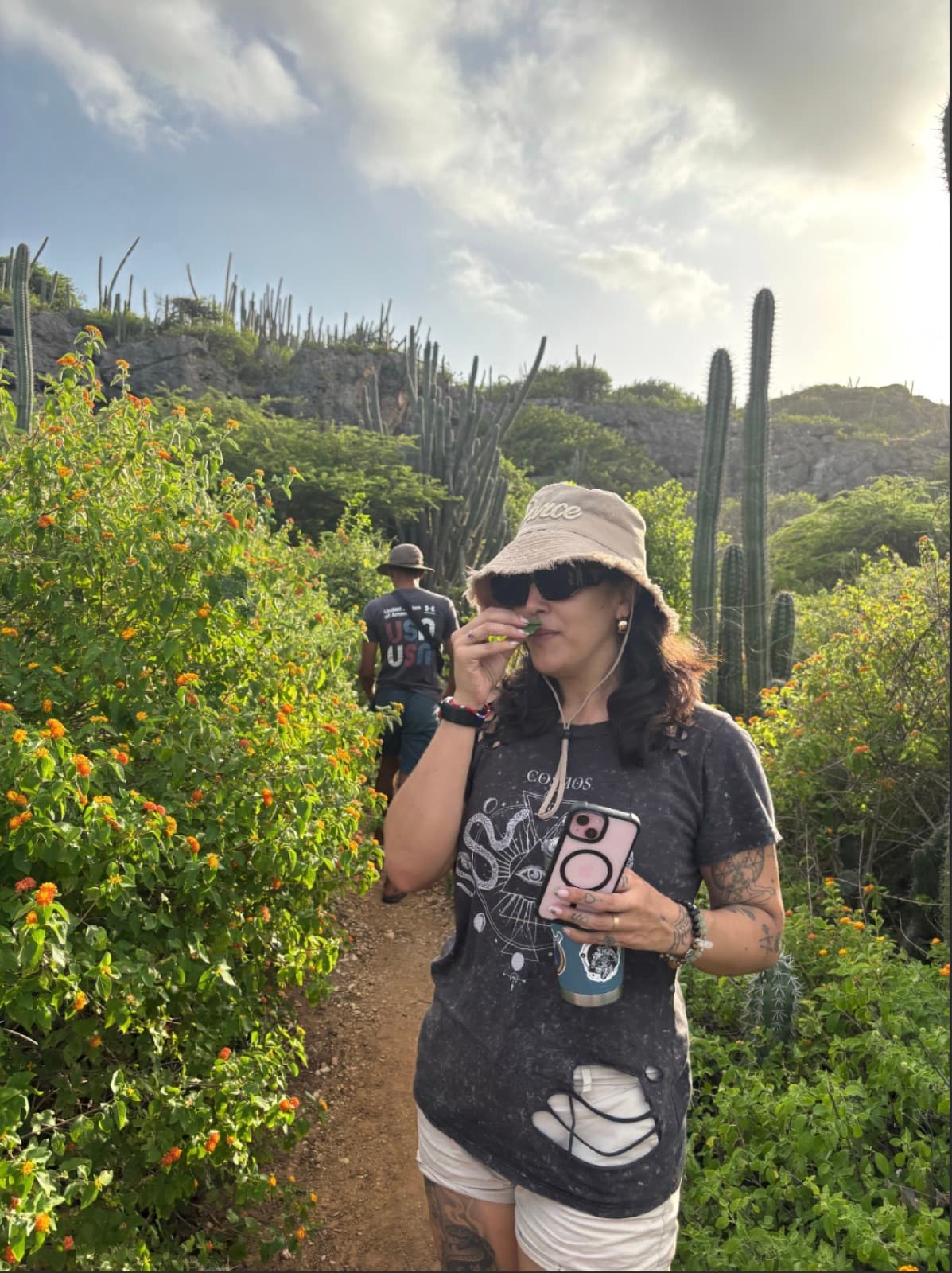
Aloe Experience and Jeep Tour Curacao
Aloe grows all over Curaçao and almost nobody stops to use it. Off-road into the landscape, then a hands-on session turning fresh leaf into a drink and more.
$425 per group
Run cultural tours or city walks in Curaçao? Get listed
Can't find what you're looking for? All experiences in Curaçao
Most Caribbean capitals give you a fort and a market. Willemstad gives you a working city that has been continuously inhabited since the 1630s, painted in colours you can see from a ship's deck, split down the middle by a bay and stitched back together with a bridge that floats on sixteen pontoons and swings open several times a day.
The history here is uncomfortable in places and the island does not hide it. Curaçao was the Dutch West India Company's slave depot for the Caribbean, and the museum that tells that story sits in a restored merchant's quarter in Otrobanda. A few streets away is the oldest synagogue in continuous use anywhere in the Americas, its floor covered in sand. Cultural tours here cover the beauty and the weight in the same afternoon, which is the honest way to do it.
Willemstad: Punda, Otrobanda and the bridge between
The city is two halves facing each other across Sint Anna Bay. Punda is the older commercial side, once walled, still the place for the Handelskade waterfront that every photograph of Curaçao leads with: tall Dutch merchant houses in ochre, blue and green, standing shoulder to shoulder along the water. Otrobanda, which means the other side in Papiamentu, is the residential half, looser and more lived-in, with murals covering whole walls and the best view back at the postcard.
Between them floats the Queen Emma Bridge, a pontoon walkway that swings open to let ships into the harbour, sometimes mid-crossing. When it opens, free ferries run instead. The bridge closing again with people waiting on both sides is the most reliably charming thing that happens in this city, and it happens all day.
The synagogue, the museum, and the harder history
Mikvé Israel-Emanuel in Punda is the oldest synagogue in continuous use in the Americas. The congregation dates to 1651 and the building was consecrated in 1732, and the floor is covered in sand, a practice usually read as a memorial to the years when Sephardic Jews had to worship in silence. The Jewish Cultural-Historical Museum attached to it holds a mikveh and Torah scrolls carried here by the first settlers.
Across the bay in Otrobanda, the Kura Hulanda Museum tells the other half of the island's story. Curaçao was a Dutch West India Company depot in the transatlantic slave trade, and the museum sits in a restored 19th-century merchant's house at the centre of a quarter rebuilt from ruin. It covers the African cultures the trade drew from, not only the trade itself. It is a serious visit and worth the time it asks.
Blue Curaçao, and the orange that made it
The Spanish planted Valencia oranges here in the sixteenth century and the fruit did not take to the dry soil. What grew instead was a small, bitter, largely inedible orange the island came to call the laraha, and the peel of that failure is what makes Blue Curaçao.
Landhuis Chobolobo, an old plantation house in the Salinja district, is where the genuine article is still distilled by the original method, and the trees are on the grounds. Tours run through the distillery and end where you would hope. The blue, for the record, is added. The liqueur itself comes out clear, and the colour was a marketing decision that worked far better than the oranges ever did.
Plantation houses and the country beyond the city
Scattered across the countryside are the landhuizen, the plantation houses that ran the island's estates. Several are open and each has taken a different direction. Savonet inside Christoffel National Park is now a museum covering the estate and the people who worked it. Kas di Pali Maishi is a reconstructed maize-stalk dwelling showing how the enslaved and later the freed actually lived, which is the necessary counterweight to the grand houses on the hills.
Out in the kunuku, the dry interior, the pace changes entirely: goats on the road, cactus fences, and villages where Papiamentu is the only language you will hear all afternoon.
Food, language and what to try
Curaçaoan food is the island's history on a plate. Keshi yena is spiced meat baked inside a hollowed wheel of Edam, invented from the rinds Dutch colonists discarded. Funchi is cornmeal, stoba is a slow stew, and pastechi is the fried pastry everyone eats standing up before work. Iguana soup is on menus and is not a tourist joke.
Papiamentu is the mother tongue, a creole built from Portuguese, Spanish, Dutch, English and West African languages, and it is the clearest single artefact of who has passed through here. Learning two words goes a long way. Bon bini is welcome. Danki is thank you.
Good to know
- Status
- UNESCO World Heritage since 1997
- Punda
- Commercial half; Handelskade, Fort Amsterdam, shopping
- Otrobanda
- Residential half; murals, Rif Fort, Kura Hulanda
- Queen Emma Bridge
- Pontoon bridge, swings open; free ferry when it does
Booking with Faer
Instant confirmation
Pick your date and party, pay online, done. Your booking is confirmed the moment payment completes and the confirmation lands in your email. No account needed.
Vetted operators
Every operator and every listing is reviewed by Faer before it goes live. The times, group size and inclusions on a listing come from the operator who runs it.
Secure payment
Card payment processed by Stripe: Visa, Mastercard, Apple Pay and Google Pay. Prices are in US dollars.
Cancellation terms
Each listing shows its cancellation terms before you pay. You will find them on the listing page, next to the price.
Culture & History Tours in Curaçao — FAQ
What is Willemstad known for?
Its UNESCO-listed historic centre: the colourful Handelskade waterfront, the floating Queen Emma pontoon bridge, and two historic districts, Punda and Otrobanda, facing each other across Sint Anna Bay.
How old is the synagogue in Curaçao?
Mikvé Israel-Emanuel is the oldest synagogue in continuous use in the Americas. The congregation dates to 1651 and the current building was consecrated in 1732. Its floor is covered in sand.
Why does the synagogue have a sand floor?
The sand is generally understood as a memorial to the period when Sephardic Jews in Spain and Portugal had to worship in secret and muffled the sound of their footsteps.
What is the Kura Hulanda Museum?
An anthropological museum in Otrobanda covering the transatlantic slave trade and the African cultures it drew from. Curaçao was a Dutch West India Company depot, and the museum sits in a restored merchant's house.
Can you visit the Blue Curaçao distillery?
Yes. Landhuis Chobolobo in Salinja still distils the genuine liqueur from laraha orange peel by the original method, and runs tours of the plantation house and distillery with a tasting.
What language do they speak in Curaçao?
Papiamentu is the mother tongue, a creole of Portuguese, Spanish, Dutch, English and West African languages. Dutch is the other official language, and English and Spanish are widely spoken.
Is Willemstad walkable?
Very. Punda and Otrobanda are both compact and connected by the pontoon bridge or a free ferry when it swings open. Most cultural sites sit within a twenty-minute walk of each other.
How long does the Queen Emma Bridge stay open?
It varies with the ship traffic, from a few minutes to considerably longer. Free ferries run on both sides whenever the bridge is swung open, so you are never actually stuck.
What food should you try in Curaçao?
Keshi yena, spiced meat baked inside a shell of Edam cheese, is the national dish. Also pastechi for breakfast, funchi as a side, and a slow-cooked stoba.
What is the floating market?
A line of boats on the Punda waterfront where Venezuelan traders have long sold fruit, vegetables and fish directly from the deck. Operations have fluctuated in recent years, so check locally before making a trip for it.
Are cultural tours suitable for children?
City walks and the bridge work well with children. The Kura Hulanda Museum covers slavery in serious detail and suits older children and teenagers rather than young ones.
Run culture & history tours in Curaçao?
List your culture & history tours on Faer and reach travellers planning their trip before they land.