CuraçaoNature and Wildlife Tours in Curaçao
Behind the beaches the island turns dry, thorny and wild.
Two national parks, a coast the Atlantic hammers daily, flamingos standing in old salt pans, and a few hundred white-tailed deer that live here and nowhere else on earth. It is desert country with a reef around it.
Nature tours here run guided hikes, park drives, birdwatching mornings and cave visits, usually early, because most of what is worth seeing happens before the heat arrives.
SortFeatured
Filters
2 tours
Nature
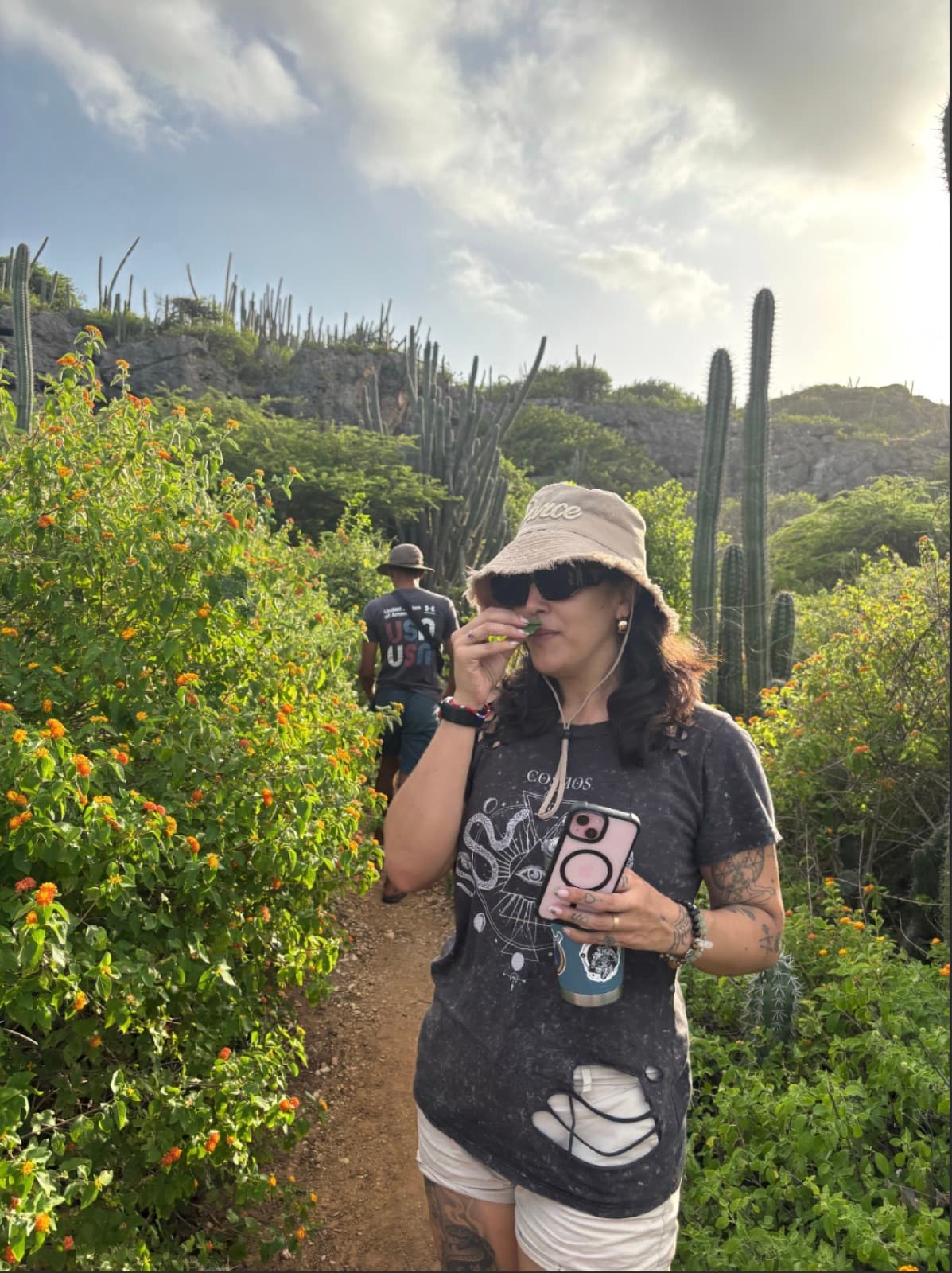
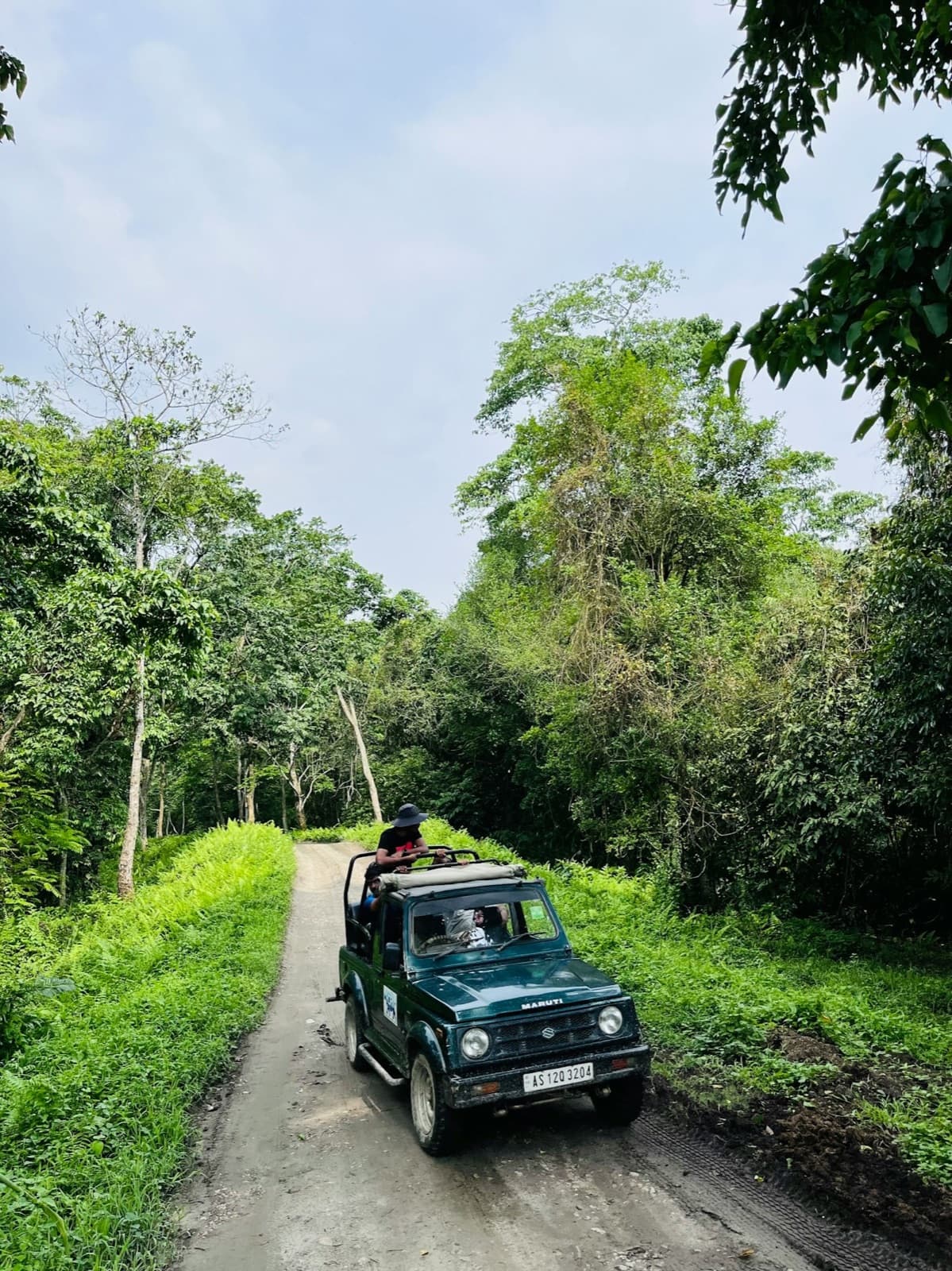
Aloe Experience and Jeep Tour Curacao
Aloe grows all over Curaçao and almost nobody stops to use it. Off-road into the landscape, then a hands-on session turning fresh leaf into a drink and more.
$425 per group
Nature
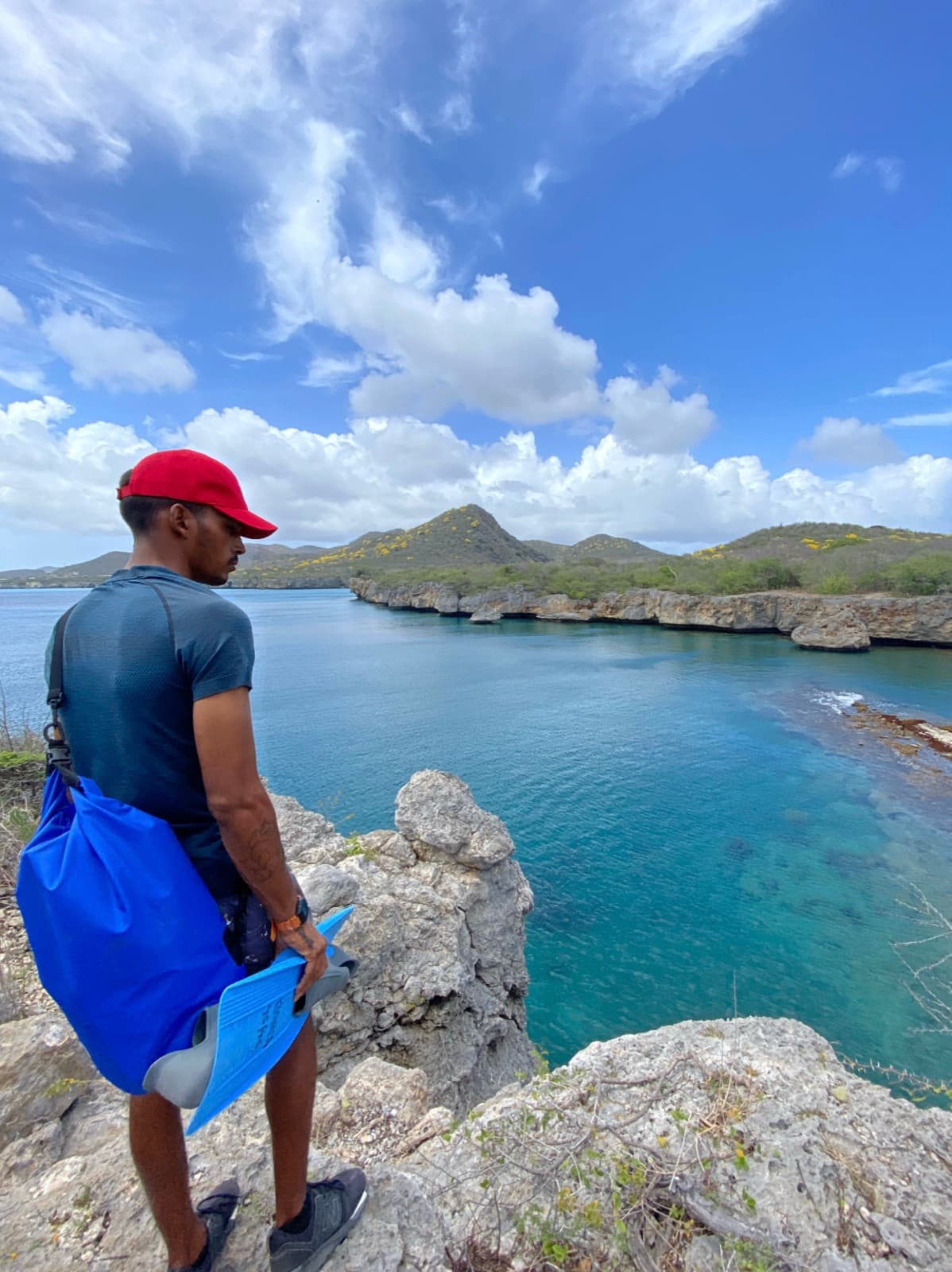
Full Day Off-Road Jeep Tour Curacao
Everything in the half day, then further up the wild coast: a blowhole stronger and emptier than Shete Boka, and the tide pools at Boka Patrik you can actually swim in.
$500 per group
Run nature, hiking or wildlife tours in Curaçao? Get listed
Can't find what you're looking for? All experiences in Curaçao
Curaçao is a dry island and its nature is shaped by that fact. Rainfall is low, rivers do not exist, and what grows is cactus, divi-divi trees bent flat by the trade winds, and thorny kunuku scrub that hides more life than it looks capable of. The absence of rivers is also why the water offshore stays so clear, which makes this one of the few places where the land and the reef are protected by the same logic.
Two parks carry most of it. Christoffel holds the island's highest peak, its rarest orchids and its endemic white-tailed deer. Shete Boka protects seven inlets on the north coast where the sea has cut caves and blowholes into the limestone. Between them sit salt pans full of flamingos and caves full of bats.
Christoffel National Park and the peak
Two thousand hectares of dry forest and old plantation land in the north-west, with Sint Christoffelberg standing 372 metres in the middle of it. The summit climb takes about two hours return and finishes with a hands-and-feet scramble on loose rock. The park stops letting anyone start after ten in the morning, which sounds strict until you have felt the rock at noon.
Most visitors never climb it. Two rough driving routes loop through the park instead, one north toward the coast among iguanas, one over the mountain side with a descent the park warns you about. On foot, the plantation trail out to Boka Grandi runs about ninety minutes through old estate ground to the shore.
Shete Boka and the north coast
Shete boka means seven inlets in Papiamentu, and the park protects a run of them on the windward coast where the Atlantic arrives with nothing to slow it down. At Boka Tabla steps take you down into a cavern under the cliff, where you sit on a ledge and watch the swell explode against the back wall. On the biggest days the park closes the cave for safety, which is worth checking before you drive out.
Boka Pistol is the blowhole, and the crack it makes when the sea forces up through the rock is where the name comes from. Several of the bays are protected turtle nesting sites. There is no swimming anywhere in the park.
Flamingos, salt pans and birdlife
The flamingos stand in the old salt pans on the south-west coast, around Jan Kok and Sint Willibrordus, and they are genuinely wild, with no fence and no feeding time. Early morning and late afternoon are when they feed and when the light is worth the trip. Keep your distance and stay in the car or on the road, because they will lift and move if approached.
The island's birdlife runs well beyond them: troupials, bananaquits that will land on your breakfast, parakeets in the kunuku, ospreys over the water, and barn owls nesting in the Christoffel cliffs.
Caves, gardens and the underground
Hato Caves near the airport runs guided tours through limestone chambers with stalactites, underground pools and a resident colony of fruit bats. The tour is short, the stairs are real, and the temperature drop at the entrance is the best part of a hot afternoon.
Above ground, Den Paradera is a herb garden built around traditional Curaçaoan plant medicine, which is a quieter and more interesting hour than it sounds. The Aloe plantation on the east side covers the crop that has been grown here commercially for over a century.
Marine park, seasons and going early
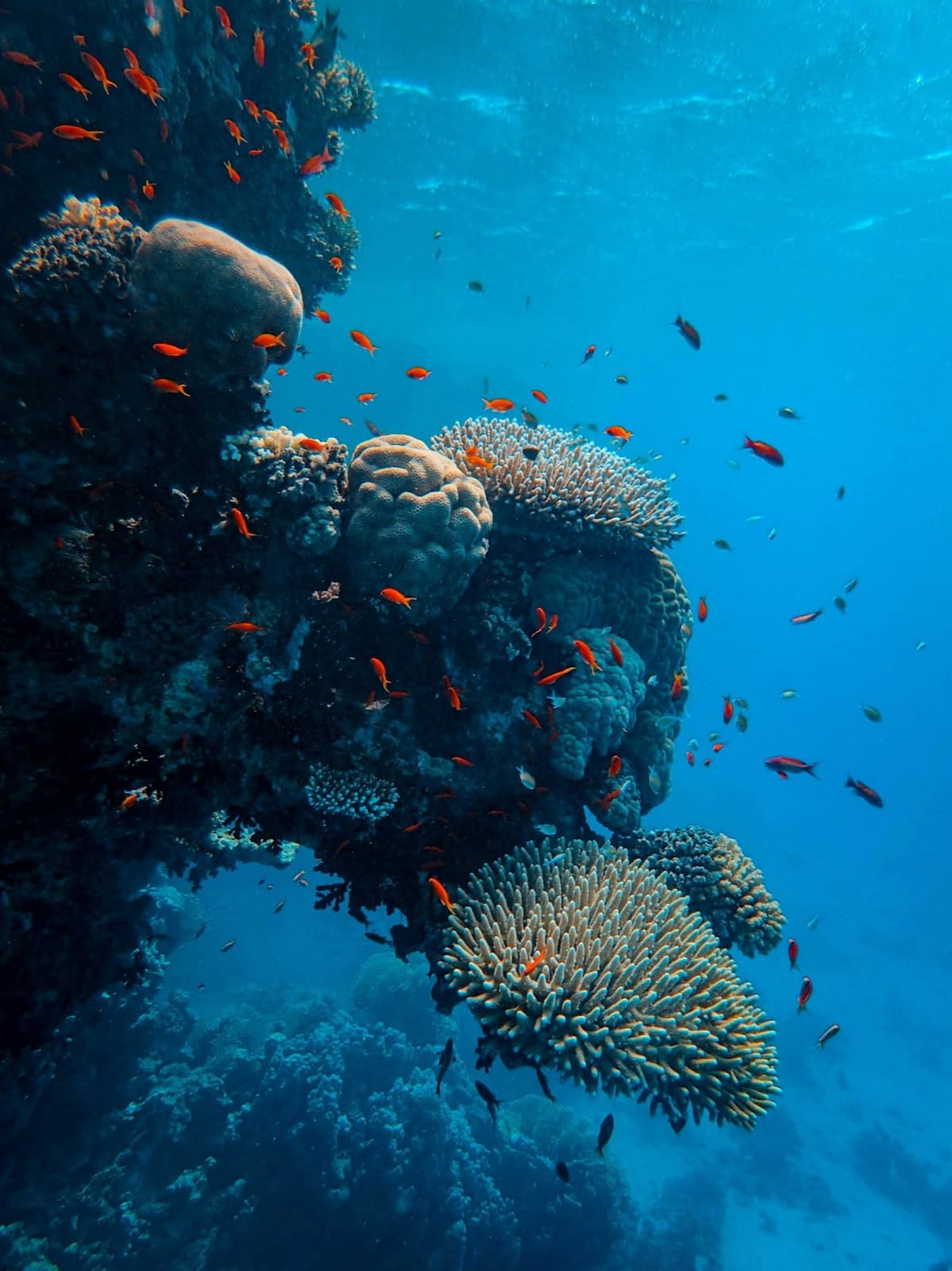
The Curaçao Marine Park protects the leeward reef, managed by CARMABI, the research institute that has worked on this coast since the 1950s. The reef runs almost continuously along the sheltered side of the island, which is why shore diving and snorkelling here need no boat.
Timing matters more than season. Everything worth seeing on land happens early: the deer move at dawn, the flamingos feed before the heat, the mountain closes at ten. November through April is the more comfortable stretch weather-wise. Turtle nesting on the north coast runs roughly May to December, and coral spawning falls in September and October.
| What | When |
|---|---|
| Best daily window | 6:00–10:00, for wildlife, light and the climb |
| Most comfortable months | November to April |
| Turtle nesting | ~May to December, north coast |
| Coral spawning | September and October |
Good to know
- Peak
- Sint Christoffelberg, 372 m, highest on the island
- Climb
- ~2 hr return; no start permitted after 10:00
- Driving routes
- Northern ~1 hr; mountain route ~90 min, steep descent
- Wildlife
- White-tailed deer, barn owls, orchids, iguanas
What you'll see
Booking with Faer
Instant confirmation
Pick your date and party, pay online, done. Your booking is confirmed the moment payment completes and the confirmation lands in your email. No account needed.
Vetted operators
Every operator and every listing is reviewed by Faer before it goes live. The times, group size and inclusions on a listing come from the operator who runs it.
Secure payment
Card payment processed by Stripe: Visa, Mastercard, Apple Pay and Google Pay. Prices are in US dollars.
Cancellation terms
Each listing shows its cancellation terms before you pay. You will find them on the listing page, next to the price.
Nature & Hiking Tours in Curaçao — FAQ
What wildlife can you see in Curaçao?
Wild flamingos on the salt pans, the endemic Curaçao white-tailed deer in Christoffel, iguanas everywhere, barn owls, parakeets, troupials, bananaquits, and sea turtles both nesting on the north coast and feeding on the reef.
Where can you see flamingos in Curaçao?
In the old salt pans around Jan Kok and Sint Willibrordus on the south-west coast. Early morning and late afternoon are best. Watch from the road, since they take flight if approached.
How many national parks does Curaçao have?
Two on land. Christoffel National Park in the north-west holds the island's highest peak, and Shete Boka on the north coast protects seven inlets. The leeward reef is protected separately as a marine park.
How hard is the Christoffel hike?
Steep but short, about two hours return, on loose rock with a hands-and-feet scramble near the top. No experience needed, but bring two litres of water each and proper shoes.
What time does Christoffel National Park open?
From six in the morning. No summit climb may start after ten because of the heat and the lack of shade, so an early start is not optional if you plan to reach the top.
Can you swim at Shete Boka?
No. This is the windward coast, where the Atlantic hits limestone cliffs with real force and there is no safe entry anywhere in the park. It is a place to watch the sea from solid ground.
Are there deer in Curaçao?
Yes, the Curaçao white-tailed deer, found nowhere else and numbering only a few hundred. They live mainly in Christoffel National Park and are shy enough that seeing one comes down to luck.
What is the best time of day for nature in Curaçao?
Early morning, without exception. Wildlife is active before the heat, the light is better, the mountain gate closes at ten, and the parks are close to empty before nine.
Do you need a car for the national parks?
Effectively yes, or a guided tour. Both parks sit about an hour from Willemstad with no useful public transport, and the roads inside Christoffel are rough and spread far apart.
Are there caves in Curaçao?
Several. Hato Caves near the airport runs guided tours through limestone chambers with a fruit bat colony. Others, including sea caves and the Indian Cave, are reached by boat or off-road tour.
Run nature & hiking tours in Curaçao?
List your nature & hiking tours on Faer and reach travellers planning their trip before they land.