CuraçaoScuba Diving in Curaçao
Park the car, kit up on the tailgate, walk in.
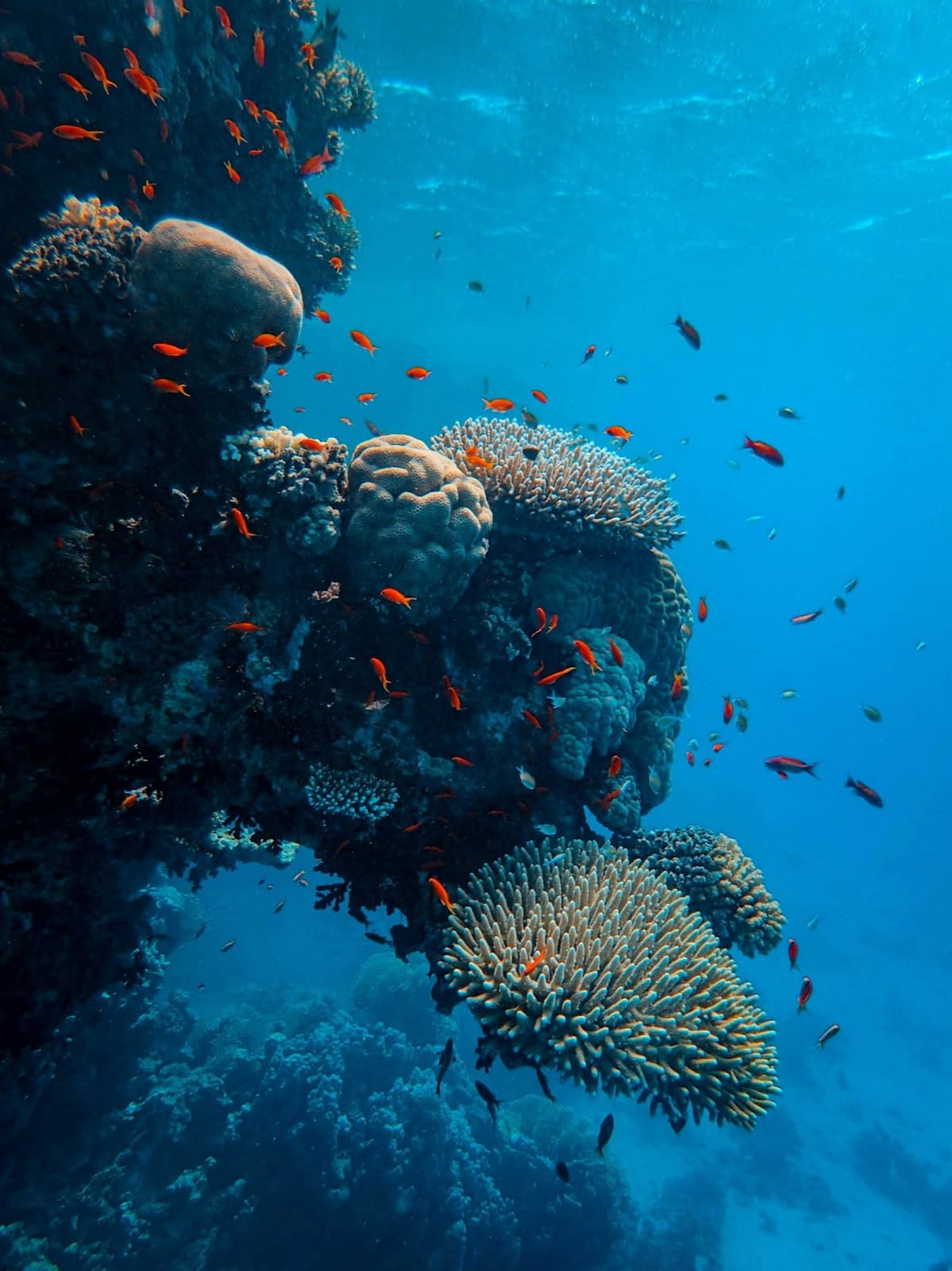
Curaçao's reef starts at the shoreline and runs almost the whole leeward coast, which means most of the island's dive sites need no boat, no schedule and no guide. Certified divers here dive when they feel like it.
Dive shops here run guided shore and boat dives, courses from first-timer through instructor, and gear rental by the day or the week. Most sit on a house reef you can dive straight off.
SortFeatured
Filters
0 tours
No diving tours in Curaçao yet
Run a dive shop or dive courses in Curaçao?
Experiences in Curaçao
All experiences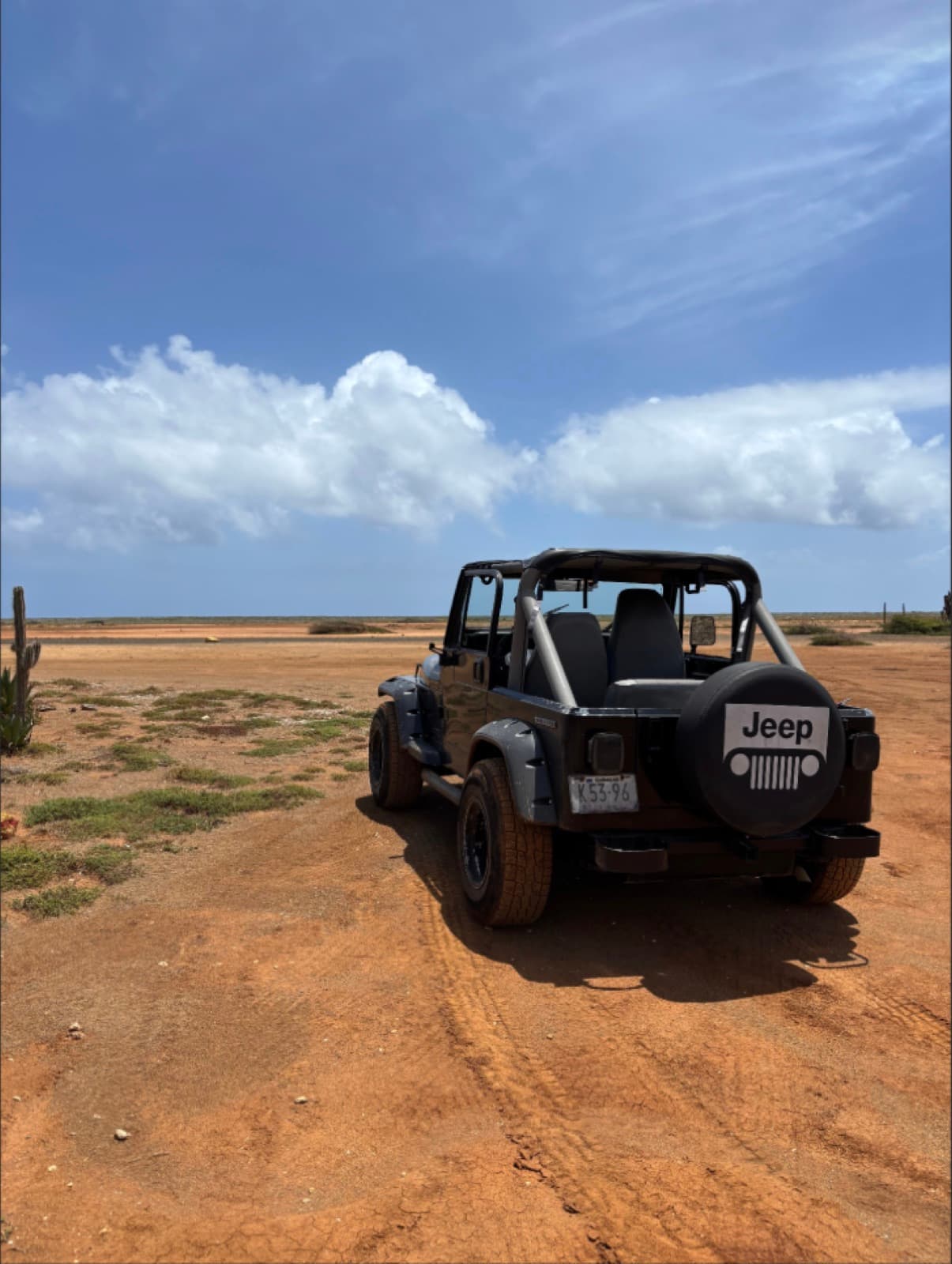
Custom Private Off-Road Jeep Tour Curacao
Curaçao's hidden west side, routed to you: a cave swim, one of the island's largest caves, and a secret natural pool. Minimal pavement, no buses.
$399 per group
Drink and Think Off-Road Jeep Tour Curacao
A little history, a little off-roading, and a healthy amount of island liquor. Netto Bar, Landhuis Chobolobo, Fort Beekenburg, and a roadside coconut cocktail. Adults only.
$425 per group
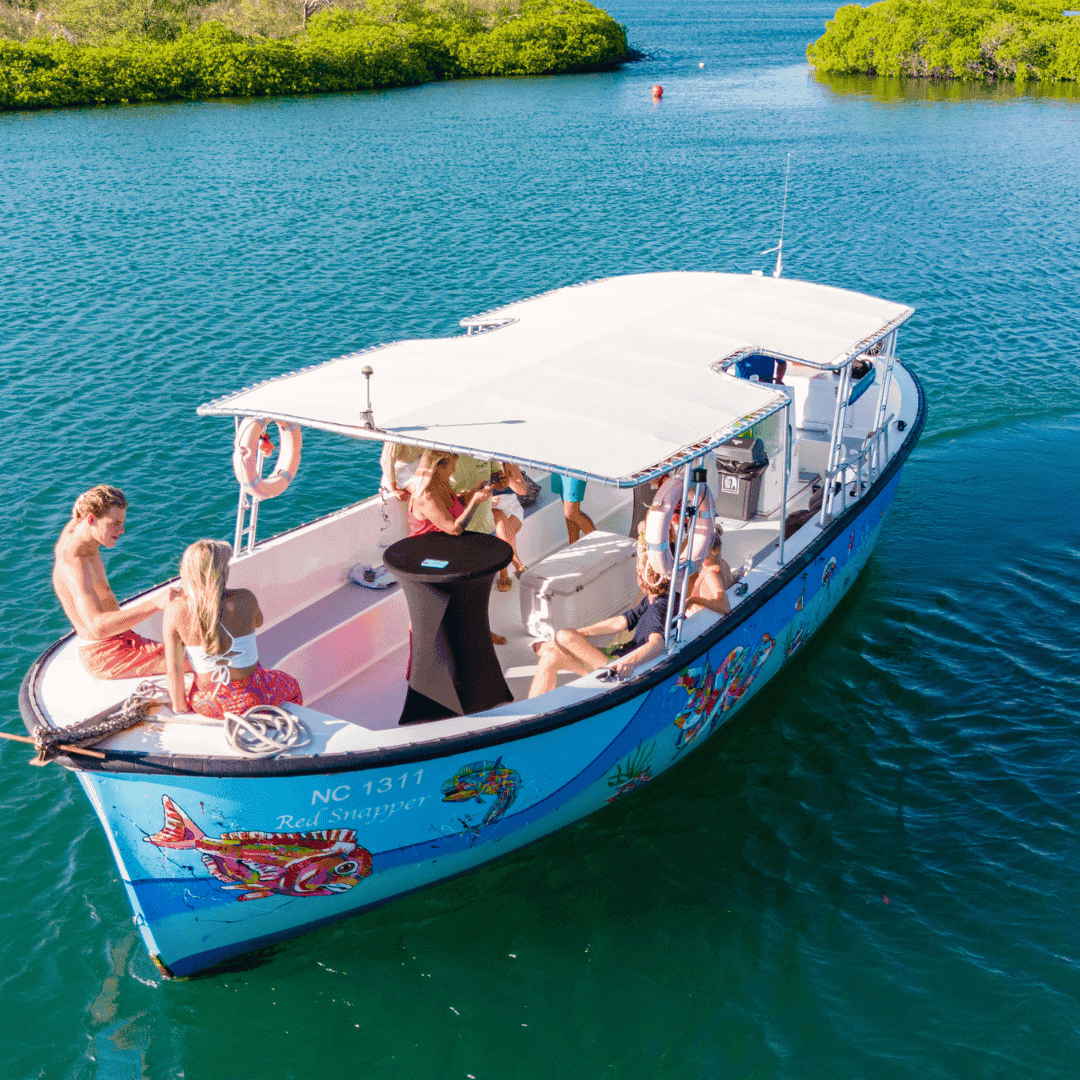
Spanish Water Sightseeing Boat Tour Curaçao
Two hours on the calmest water in Curaçao. Open bar, a snack on board, music, and the stories behind the shoreline villas, including the house of the Dutch Royal family.
$35 per person
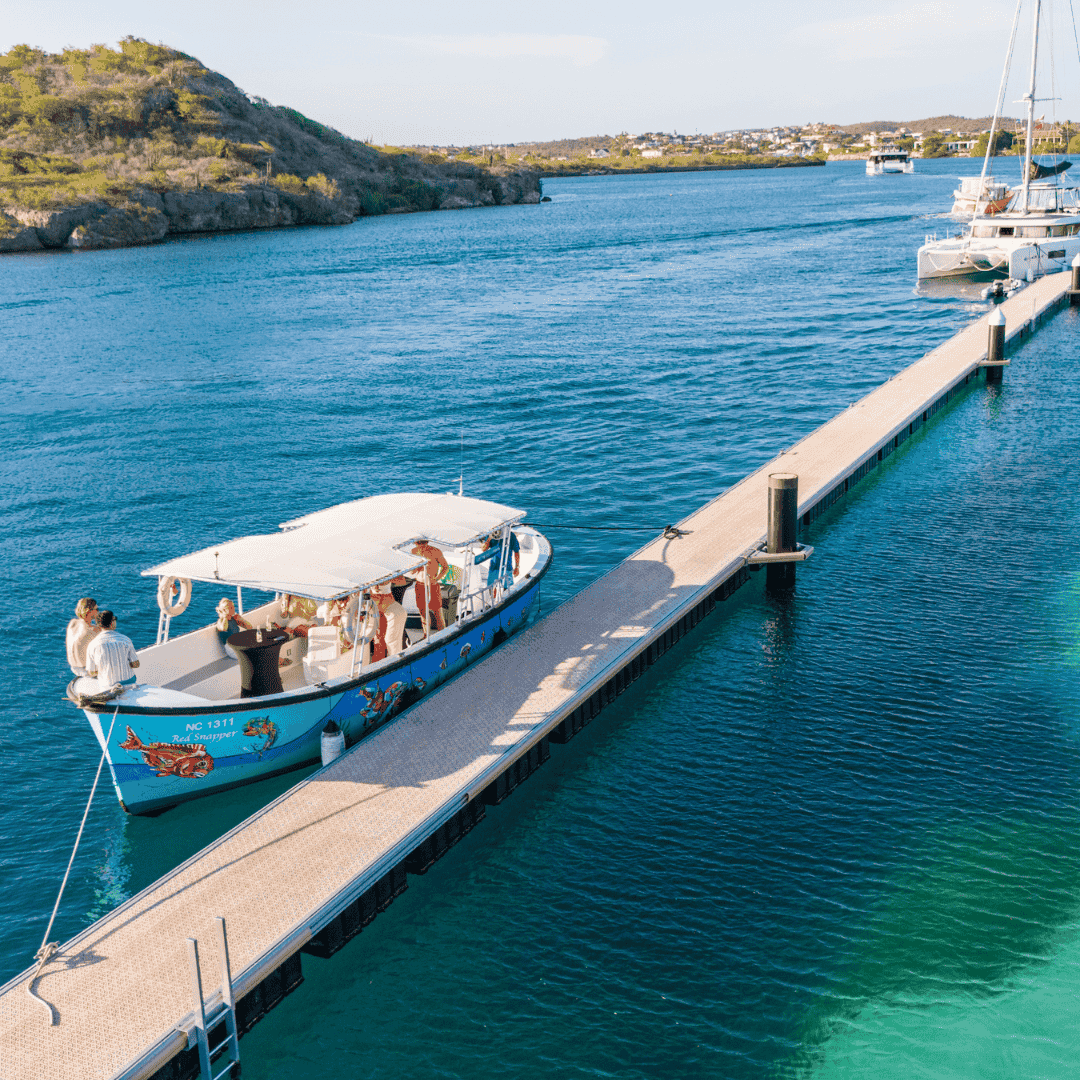
Private Boat Charter Curaçao – Spanish Water
The whole boat, yours for three hours. Birthdays, baby showers, or a slow day on the water. Captain Herbert routes it around what you want: hidden coves, snorkeling stops, calm anchorages.
from $300 for up to 10 guests
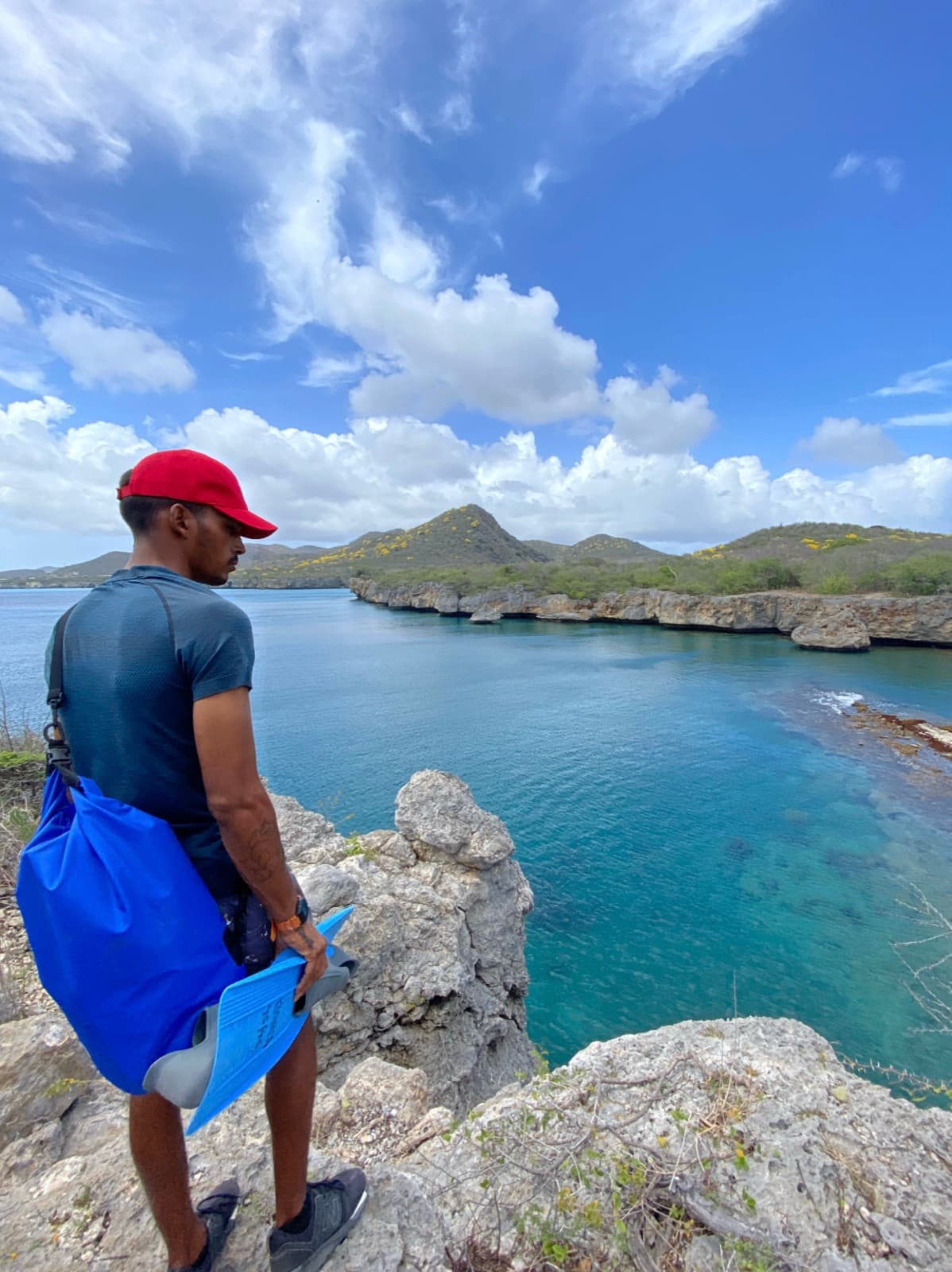
Blue Room Jeep and Boat Tour Curacao
The right way into the Blue Room. Off-road along the rugged west coast, then a boat straight into the cave, and you swim and snorkel inside it.
$425 per group
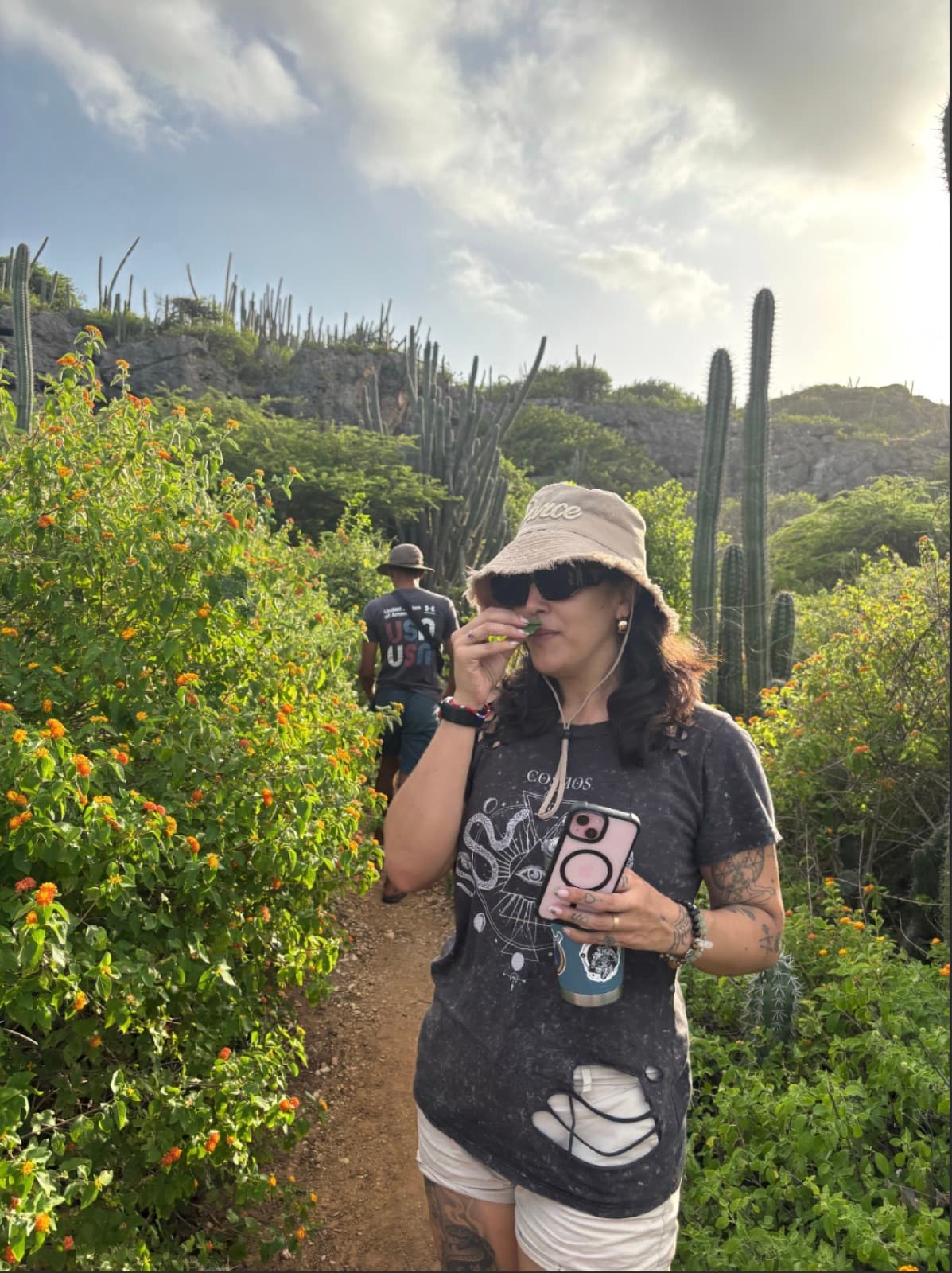
Aloe Experience and Jeep Tour Curacao
Aloe grows all over Curaçao and almost nobody stops to use it. Off-road into the landscape, then a hands-on session turning fresh leaf into a drink and more.
$425 per group
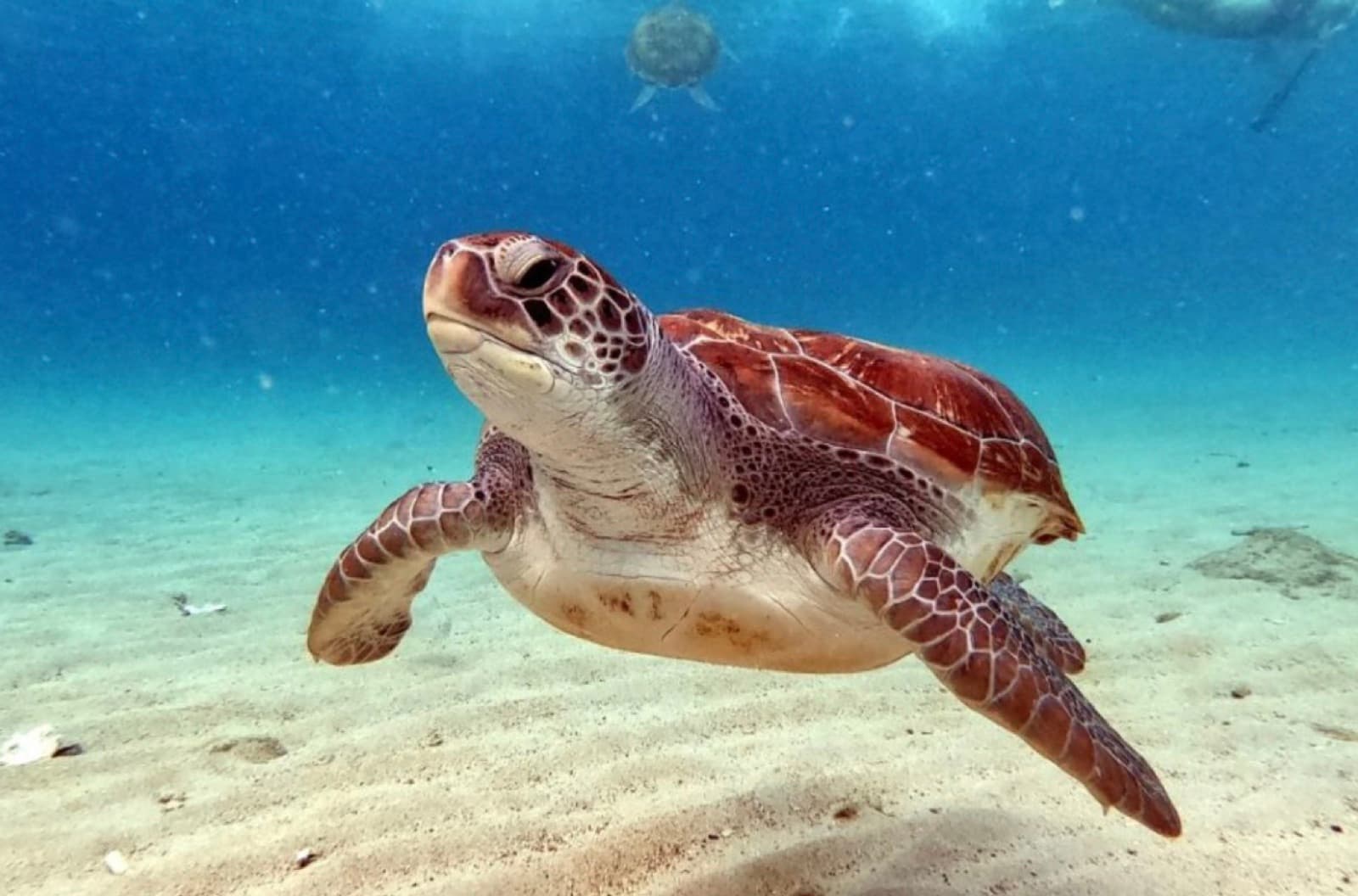
Hidden Beaches and Sea Caves Tour Curacao
Off-road to the west side: secluded beaches, swimming inside sea caves along dramatic cliffs, and snorkelling in clear water with no one else in it.
$350 per group
Full Day Off-Road Jeep Tour Curacao
Everything in the half day, then further up the wild coast: a blowhole stronger and emptier than Shete Boka, and the tide pools at Boka Patrik you can actually swim in.
$500 per group
Can't find what you're looking for? All experiences in Curaçao
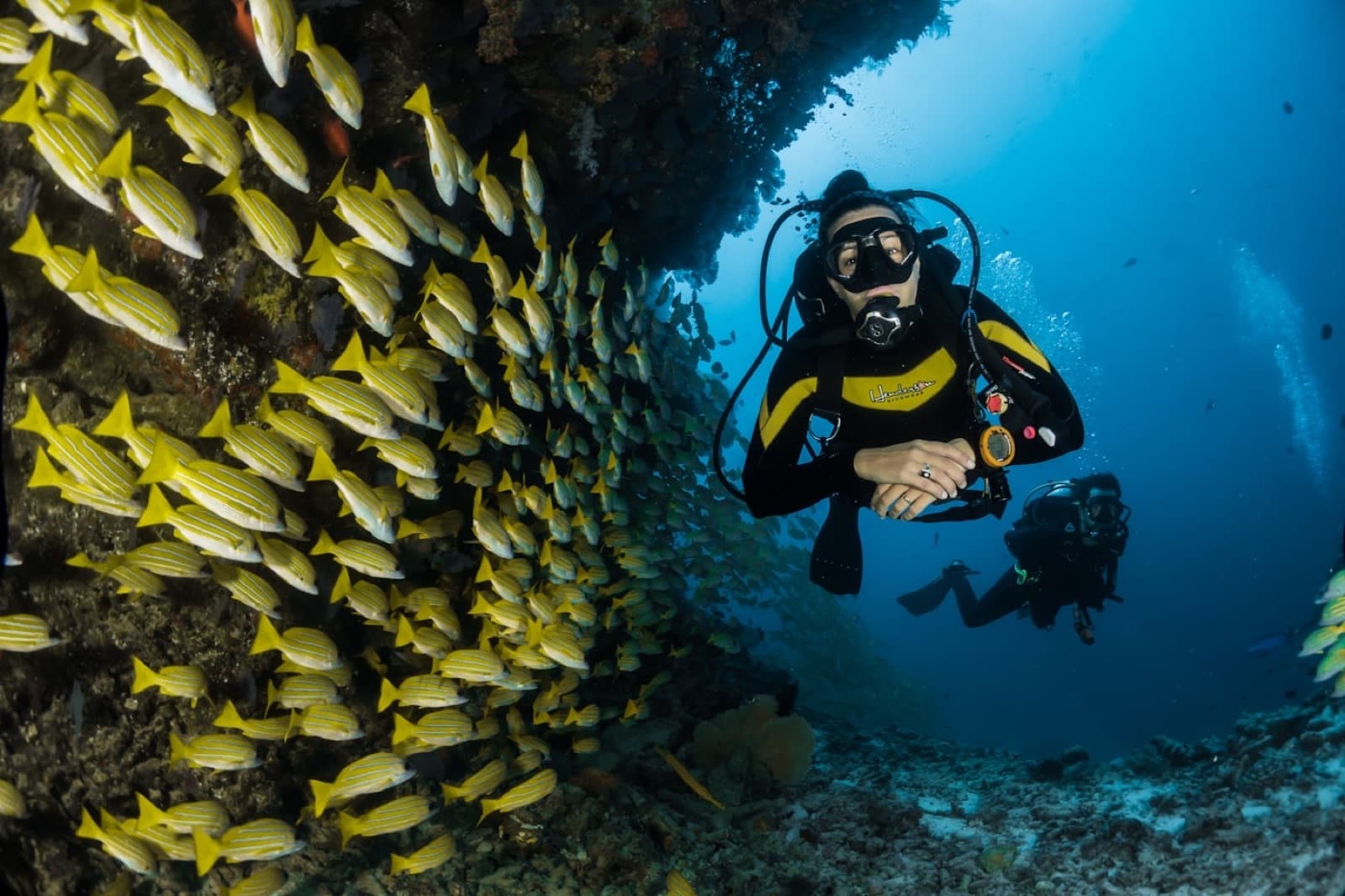
The reason divers rate this island is access. A fringing reef runs nearly unbroken down the sheltered leeward side, close enough to shore that dozens of sites are reached by walking in, and certified divers with a buddy can do exactly that without booking anything. Nobody is waiting on a boat schedule.
What you get underwater is more varied than the shore-diving reputation suggests: a tugboat sitting in five metres that snorkellers share with divers, a freighter at forty that needs experience and a calm harbour day, mushroom-shaped coral pillars on the north-west corner, and a cavern that glows blue at midday. Water sits in the high seventies to low eighties year-round and visibility runs fifty to a hundred feet, helped by low rainfall and no rivers to muddy anything.
Shore diving, and why a car matters here
Curaçao has upwards of seventy dive sites and more than half are shore entries. Certified open-water divers can dive them independently with a buddy, no guide and no permission needed, which is the freedom people come for and the thing that separates a week here from a week of scheduled boat dives.
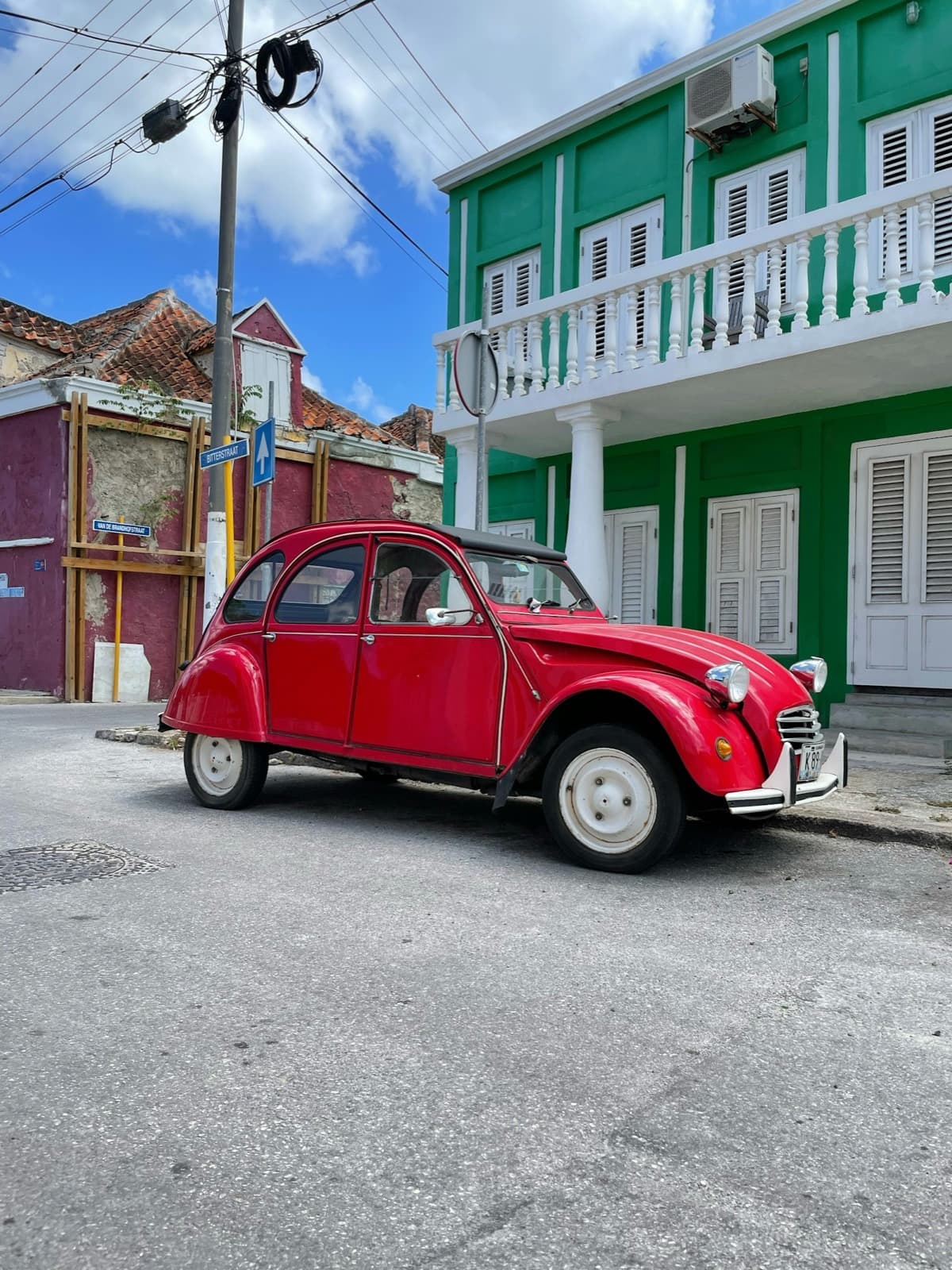
The catch is geography. The coastal road sits further inland than it does on Bonaire, so sites are reached by turning off onto side tracks and driving down to the water rather than pulling up at a roadside marker. Without a vehicle you are limited to your resort's house reef, which is fine for a day and thin for a week. Most divers rent something with space for tanks and treat the car as part of the kit.
The sites worth planning around
The Tugboat in Caracas Bay is the one everybody dives first, a small tug in five metres of water so grown over with coral it reads as reef, and one of the best night dives on the island. Director's Bay next door drops from six metres to thirty with nurse sharks on the deeper sand and macro life along the wall.
Playa Kalki out west, known to divers as Alice in Wonderland, is a double reef split by a sand channel with a slope beyond it. Mushroom Forest on the north-west corner is boat access, a field of mushroom-shaped hard coral usually paired with the Blue Room cavern on the same trip. The Superior Producer is the serious one: a fifty-metre freighter standing upright from around twenty-two metres down past forty, best on a day with no cruise ship docked above.
| Site | Access | Depth | Level |
|---|---|---|---|
| Tugboat | Shore | ~5 m, slopes deeper | Beginner |
| Director's Bay | Shore | 6–30 m | All levels |
| Playa Kalki | Shore | 12–30 m | All levels |
| Mushroom Forest | Boat | 10–25 m | Intermediate |
| Blue Room | Boat or swim | 6–12 m | Beginner to intermediate |
| Superior Producer | Boat | ~22–45 m | Advanced |
| Watamula | Boat | 10–30 m | Experienced, current |
Learning to dive here
Curaçao is an easy island to learn on. The water is warm, the entries are shallow, the leeward side is calm most days, and a first try-dive runs a couple of hours in water where you can stand up.
Uncertified visitors start with a Discover Scuba or Try Scuba session, usually from age ten. Full open-water certification takes around three days and can be done almost entirely from shore, which keeps the cost sane and the boat time low. Refreshers, advanced, nitrox and specialty courses run at most shops, and night diving usually asks for a little experience first.
Conditions, seasons and the marine park
Diving runs every month here. The island sits below the hurricane belt, water stays in the high seventies to low eighties, and visibility holds between fifty and a hundred feet. The dry stretch from mid-December to mid-April brings the calmest, clearest water, with February to April usually the best of it. The warmest surface water comes May through November.
The reef is protected as the Curaçao Marine Park, managed by CARMABI, a research institute that has worked this coast since the 1950s. The park covers the leeward reef out to a hundred metres depth and holds sixty-five-plus coral species and over three hundred and fifty fish species, including endangered elkhorn and staghorn. Coral spawning falls in September and October, which serious divers plan trips around.
Curaçao or Bonaire
Divers ask this constantly and the honest answer is that they are different trips. Bonaire is the purist's shore-diving island, with sites signposted from a road that hugs the coast and very little else competing for your attention. Curaçao has the same reef system with more variety on top: wrecks, walls, a cavern, a genuinely good capital city, and beaches worth a non-diving day.
Bonaire also charges a mandatory nature fee, and Curaçao does not. If diving is the entire purpose of the week, Bonaire edges it. If anyone in the group is not diving, Curaçao wins easily.
Good to know
- Sites
- 70+ total, 38+ reachable from shore
- Independent diving
- Permitted for certified divers with a buddy
- Vehicle
- Strongly recommended; sites are off side roads
- Recognition
- Top shore-diving honours, 2024 Scuba Diving Readers' Choice
Booking with Faer
Instant confirmation
Pick your date and party, pay online, done. Your booking is confirmed the moment payment completes and the confirmation lands in your email. No account needed.
Vetted operators
Every operator and every listing is reviewed by Faer before it goes live. The times, group size and inclusions on a listing come from the operator who runs it.
Secure payment
Card payment processed by Stripe: Visa, Mastercard, Apple Pay and Google Pay. Prices are in US dollars.
Cancellation terms
Each listing shows its cancellation terms before you pay. You will find them on the listing page, next to the price.
Diving Tours in Curaçao — FAQ
Is Curaçao good for shore diving?
Exceptionally. More than half of the island's seventy-plus sites are shore entries along a fringing reef that runs nearly the whole leeward coast, and certified divers can dive them independently with a buddy.
Do you need a guide to dive in Curaçao?
Not if you are certified. Open-water divers with a buddy can shore dive independently. Guides are required for some boat dives and recommended for the deeper wrecks and stronger-current sites.
Do you need a car to dive in Curaçao?
Practically, yes. The coast road sits inland, so most shore sites are reached by turning off onto side tracks. Without a vehicle you are limited to your resort's house reef.
Can beginners dive in Curaçao?
It is one of the better places to learn. Warm calm water, shallow entries, and try-dive sessions from about age ten. Full certification takes roughly three days, mostly from shore.
What is the best dive site in Curaçao?
The Tugboat in Caracas Bay for accessibility and character, the Superior Producer for a serious wreck, and Mushroom Forest for the coral. Playa Kalki is the pick for a shore double reef.
Is there a dive tag or nature fee in Curaçao?
No. Unlike Bonaire, Curaçao has no mandatory nature or dive-tag fee. The reef is still protected as a marine park, so the usual no-touch and no-take rules apply.
When is the best time to dive in Curaçao?
Year-round. The calmest and clearest water runs mid-December through mid-April, with February to April the best of it. September and October bring coral spawning.
How is the visibility?
Typically fifty to a hundred feet and consistent, helped by low rainfall and the absence of rivers. It is usually best in the dry months and on the sheltered leeward coast.
Curaçao or Bonaire for diving?
Bonaire if diving is the whole trip, with easier roadside access and a signposted coast. Curaçao if you want wrecks, a cavern, a real city and beaches for non-diving days.
Can you dive the Blue Room?
Yes. It is a shallow cavern dive between roughly six and twelve metres, usually reached by boat and often combined with Mushroom Forest. No full penetration is involved.
Is nitrox available in Curaçao?
Most operators offer it, and courses are widely available. You need an enriched-air certification to use it, which many shops will run alongside your other diving.

Run diving tours in Curaçao?
List your diving tours on Faer and reach travellers planning their trip before they land.